You’ve decided it’s time to renovate, but how do you choose which room to renovate first? Between a kitchen that feels smaller every year, a bathroom that’s starting to show its age, and a living room that just doesn’t feel right anymore, it’s easy to get stuck picking a starting point. The good news is that the decision doesn’t have to be a guessing game.
A few simple factors like urgency, daily use, return on investment, and how much disruption your household can handle can point you to the right room every time. Mapping it out as part of a broader home renovation plan makes the choice even clearer.
Which Room to Renovate First?
There’s no single room that’s right for every homeowner to renovate first; the room that comes first is whichever one is costing you the most in daily frustration, safety risk, or resale value, once you weigh that against your budget and how much disruption you can tolerate. For most homeowners, that means starting with structural and system issues before touchups, and prioritizing kitchens and bathrooms over cosmetic spaces like living rooms and bedrooms, since those two rooms tend to deliver the strongest return and the biggest daily impact.
That said, the “right” answer changes based on your home, your family, and your goals. Below is the framework Hamilton homeowners can use to make that call with confidence, not guesswork.
Start With a Whole-House Plan, Not a Room List
Before you pick a room, it helps to step back and look at the house as one connected system. A leaking roof, an aging electrical panel, or a cracked foundation wall will undermine any room renovation you build around it, so structural and mechanical issues should always be addressed before finishes. Walk through your home and separate your list into two categories: things that are broken or unsafe, and things that just feel outdated. The first category always goes first, regardless of which room it’s in.
Once the structural and system-level items are handled, a whole-house plan gives you a sequence instead of a scramble. It’s also the approach Birk Homes leans on for full home renovation projects; mapping the whole house first means later rooms don’t get held up by problems that should’ve been caught early, and it prevents homeowners from renovating a room twice because a bigger issue surfaced behind the walls.
Room-by-Room: Pros and Cons of Renovating First
Once the whole-house issues are sorted, the decision usually comes down to comparing a handful of rooms against each other.
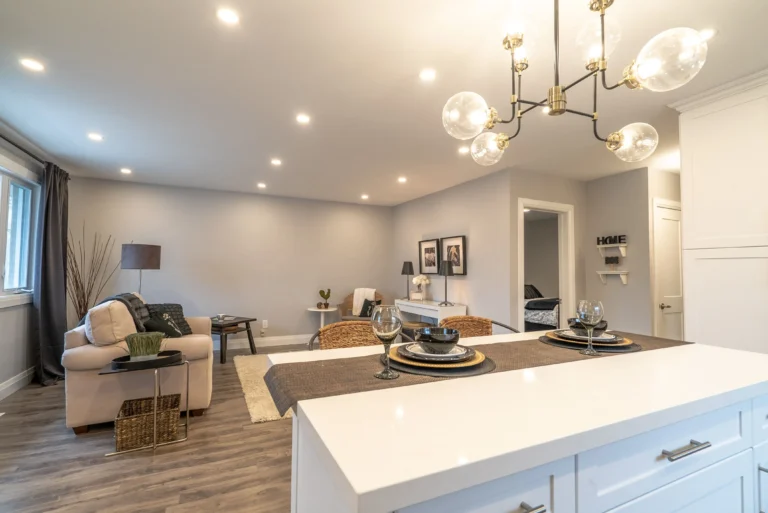
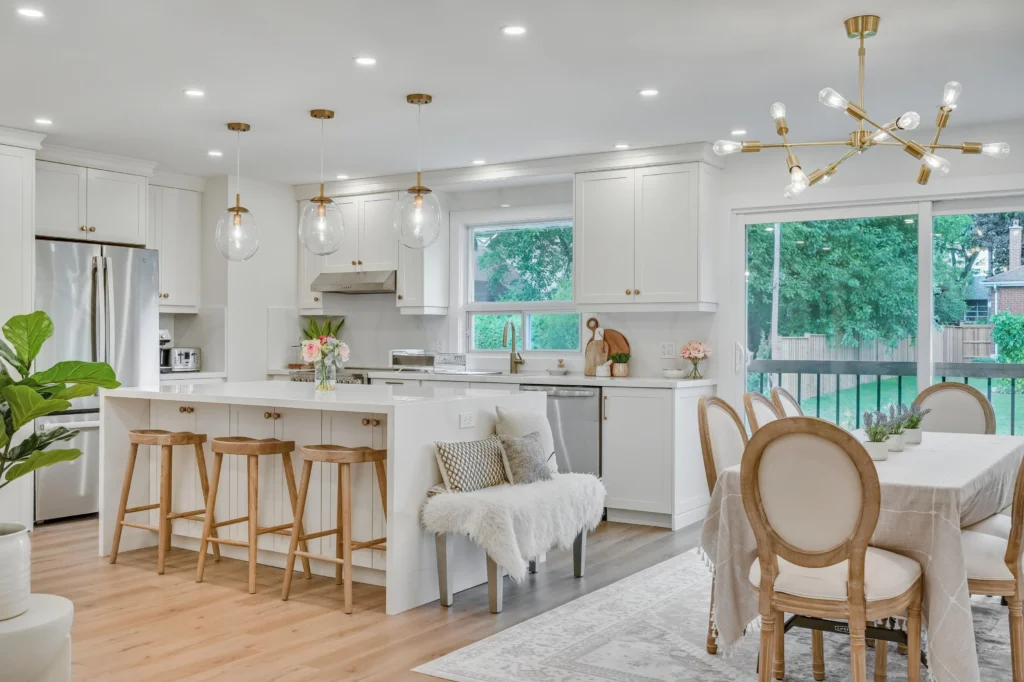
Kitchen
The kitchen is the room most homeowners land on when deciding which room to renovate, and for good reason.
Pros:
- Used daily by everyone in the household
- Has an outsized effect on how a home shows to buyers
- Outdated kitchens are one of the fastest ways a house starts to feel dated
Cons:
- Cost and disruption are the biggest tradeoffs of going first
- Involves plumbing, electrical, and often structural work
- A family typically loses use of the space for weeks
If you’re weighing the investment, how long a kitchen renovation actually takes is worth understanding before you commit to a timeline.
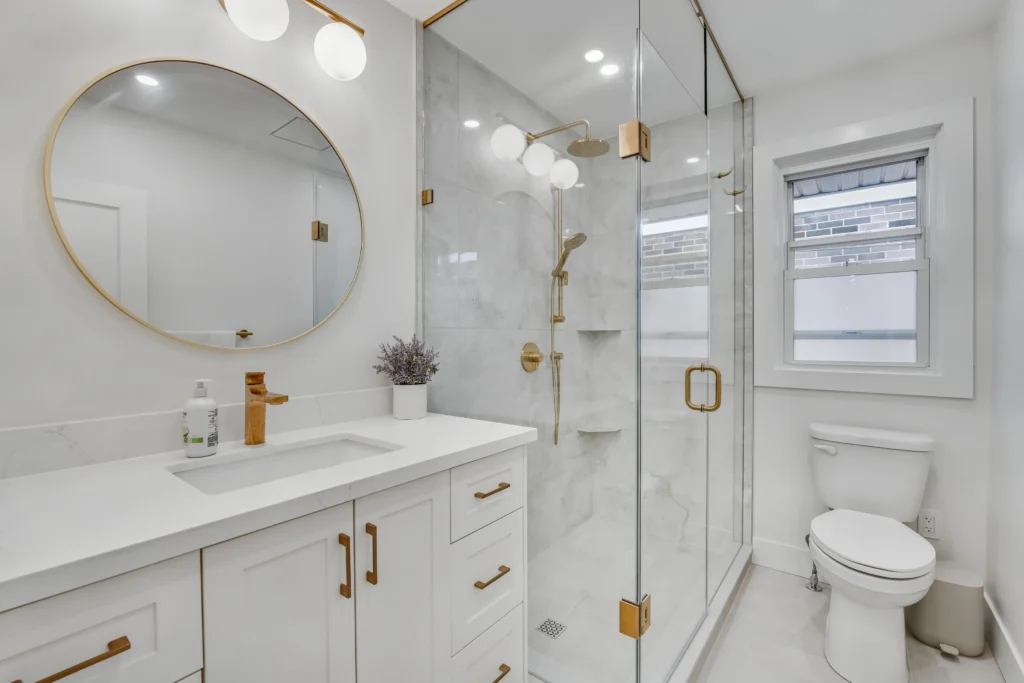
Bathroom
Bathrooms are the second-most common starting point for homeowners deciding on a room to renovate.
Pros:
- Carries less disruption than a kitchen since most homes have more than one
- A strong first move if your kitchen is functional but your bathroom is actively failing
- Faster and cheaper to complete than a full kitchen renovation
Cons:
- Problems tend to get worse, not better, the longer they sit
- Poor ventilation, failing grout, and an aging tub are common trigger points
- Moisture damage can spread to subfloors and walls if ignored too long
If a leak or ventilation issue is behind your decision, how to plan a bathroom renovation is a good next step before you get quotes.
Living Room
The living room is usually the lowest-urgency renovation on this list.
Pros:
- Highly visible and central to how the home feels day to day
- Rarely involves the plumbing or electrical work that drives up cost elsewhere
- A good choice when the goal is a cosmetic refresh with minimal disruption
Cons:
- Rarely has the plumbing, electrical, or safety issues that force a kitchen or bathroom into first place
- Urgency is usually self-imposed rather than structural
- Easy to over-invest in style before addressing more pressing rooms
Living rooms make the most sense to renovate first only when they’re tied to a bigger structural change, like an open-concept layout, happening elsewhere in the home.
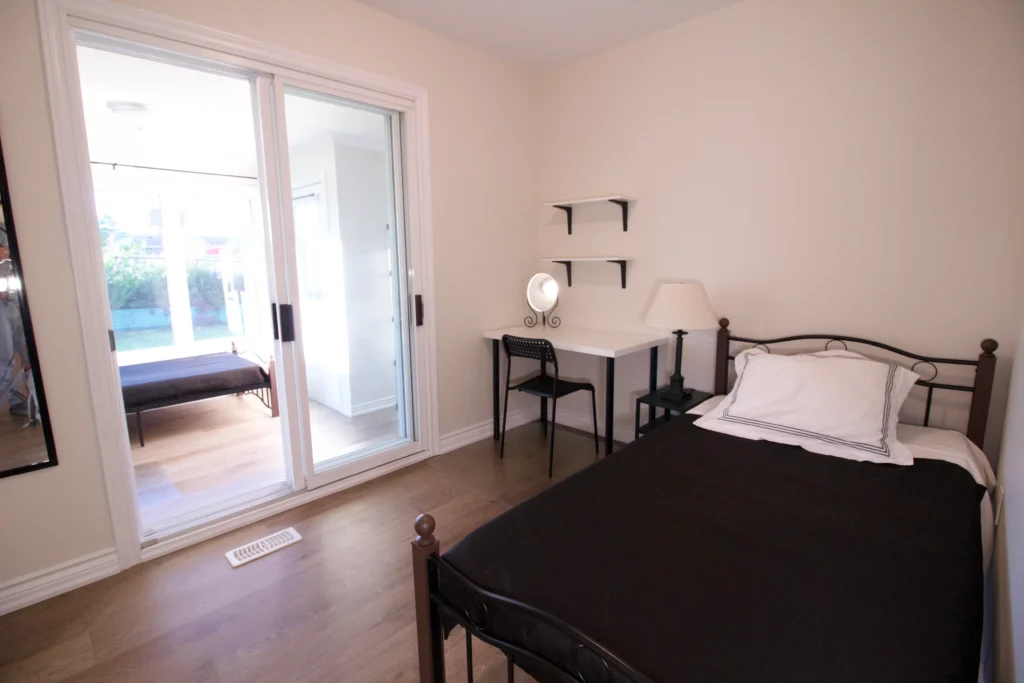
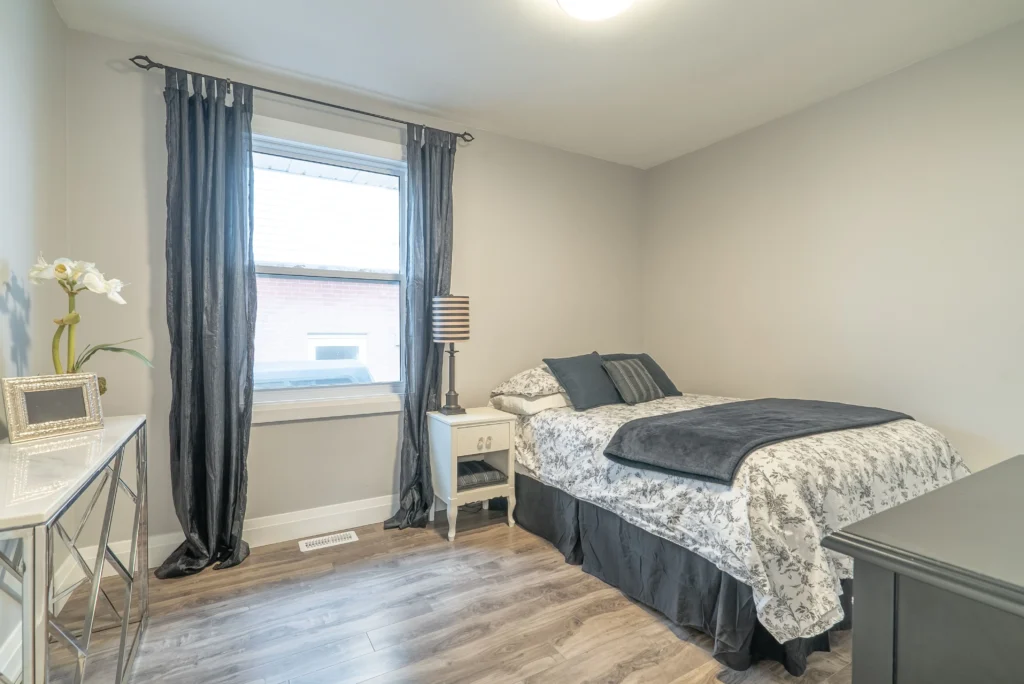
Bedrooms
Bedrooms almost never top the list for renovate-first priority.
Pros:
- Easiest and cheapest room to defer without losing ground
- Simple to update later, once higher-impact rooms are finished
- Low disruption compared to kitchen, bathroom, or living room projects
Cons:
- Rarely delivers the return or daily impact that pushes it to the front of the list
- Not usually a priority unless it’s being converted into something else entirely
- Easy to keep pushing indefinitely since nothing forces the timeline
The exception is when a bedroom is being converted into a suite addition, a home office, or space for a family member moving in; that changes the priority entirely.
How to Prioritize: Budget, ROI, and Disruption
Three factors decide which room actually goes first once the whole-house issues are cleared:
- What you can afford right now
- What each room returns on resale
- How much disruption your household can absorb
On the return side, the numbers still favor the same two rooms. The Appraisal Institute of Canada puts cost recovery in the range of 75 to 100 percent for kitchen work, with bathroom renovations recovering roughly 50 to 100 percent of their cost; both well ahead of most cosmetic-only projects, and part of why kitchens and bathrooms consistently top the list of renovations that pay off at resale.
That’s also reflected in what Canadian homeowners actually choose: an Ipsos survey conducted for RBC found the bathroom is the most common renovation project nationally at 33 percent, followed by landscaping at 29 percent, the kitchen at 27 percent, and the basement at 26 percent.
Budget and disruption tolerance are the tiebreakers. If two rooms score similarly on ROI, the one that costs less or disrupts your household less should go first because you can always circle back to the bigger project once the smaller one is funded and finished.
An Expert's Take on Sequencing Renovations
“The homeowners who regret their renovation order almost always started with the room they wanted, not the room that needed it,” says Raj Birk, owner of Birk Homes, an expert in home renovations in Hamilton. “I tell clients to walk their house like an inspector would before they walk it like a designer. Fix what’s failing, then renovate what’s frustrating you the most, and the kitchen and bathroom almost always end up first for a reason; they’re the rooms doing the most daily work in the house.”
Quick Self-Assessment: Which Room Should You Renovate First?
Answer these honestly, and the priority room usually becomes obvious:
- Is any room showing signs of water damage, electrical issues, or structural wear? Start there, regardless of which room it is.
- Which room do you use, or avoid using, every single day? Frequency of use usually points to the room with the most impact.
- Which project delivers the best return if you plan to sell within the next few years? Kitchens and bathrooms typically lead here.
- How much disruption can your household realistically handle right now? A smaller bathroom project may make more sense than a full kitchen gut if your family needs the kitchen functional day-to-day.
- Is a room being repurposed for a family member, home office, or rental potential? That changes the calculus entirely and can move a lower-priority room to the top of the list.
Common Mistakes to Avoid When Choosing Your First Renovation
- Renovating what you dislike, not what’s damaged: Cosmetic frustration and structural urgency are different problems, and the structural one comes first.
- Skipping the whole-house walkthrough: Homeowners who renovate a kitchen without checking the roof or panel often end up paying for the same wall twice.
- Underestimating disruption: A kitchen renovation without a plan for meals and daily routines turns a good decision into a stressful few weeks.
- Chasing trends over function: A room renovated purely for style, without considering how the household actually lives in it, tends to need updating again sooner.
- Ignoring the budget-to-ROI ratio: Spending heavily on a lower-return room while deferring a higher-return one can leave money on the table at resale.
Get a Professional Opinion Before You Commit

Choosing which room to remodel first is easier with a second set of eyes on your specific home. Birk Homes has built its reputation on home renovations in Hamilton and across the GTA by helping families sequence their projects the right way: structural first, high-impact rooms next, and everything backed by a 3-year workmanship warranty on every job.
Request a free quote and we’ll walk your home with you before you spend a dollar, or call us directly at (905) 975-2475.