Most home renovations don’t go wrong because of bad intentions; they go wrong because of poor planning. If you’ve ever wondered why some projects run smoothly while others spiral into delays and unexpected costs, it usually comes down to how the process was handled from the start. This article is your starting point for understanding how to approach a renovation correctly.
Whether you’re upgrading a single space or planning a full transformation, having a clear roadmap matters. A whole-home renovation guide helps you think beyond finishes and focus on what truly affects function, cost, and long-term performance. By the time you make design decisions, the most important groundwork should already be in place.
This blog will walk you through planning, prioritizing, and executing a renovation to help you avoid common mistakes and achieve the results you’re actually aiming for.
101 Home Renovation Guide: Where to Start Before You Spend a Dollar
A renovation doesn’t start with materials or design ideas; it starts with clarity. Before making any decisions, you need to understand what you’re trying to fix, improve, or future-proof in your home. This is where a full home renovation planning guide becomes essential, helping you organize your goals before costs and timelines come into play.
Start by walking through your home and identifying what’s not working. Focus on real, everyday frustrations instead of surface-level upgrades. You might notice things like:
- A kitchen layout that disrupts flow
- Limited storage that creates clutter
- Poor lighting that affects usability
Once you’ve identified the issues, rank them based on impact. Not everything needs to be done at once, but some projects naturally come before others. Structural and system-related work should always take priority over finishes.
Renovation sequencing is one of the most overlooked parts of the process. The correct order protects your investment and prevents unnecessary rework:
- Structural changes and framing come first
- Electrical, plumbing, and HVAC follow
- Finishes like flooring, cabinetry, and paint come last
Skipping this order often leads to tearing out completed work just to fix something behind it. That’s where costs start to spiral.
A pre-renovation inspection is another step that shouldn’t be skipped. It gives you a clear picture of what’s happening behind the walls: outdated wiring, plumbing issues, or hidden moisture. Catching these early allows you to plan properly rather than react mid-project.
At this stage, you’re not choosing finishes; you’re building a plan. When your goals, priorities, and sequencing are clear, the rest of the renovation becomes far more predictable.
Room-by-Room Renovation Priorities: Where to Focus for Maximum Impact
Not every part of your home delivers the same return when renovated, which is why prioritizing the right spaces matters early in the process. A well-structured guide to renovating your home focuses on areas that affect daily functionality, long-term durability, and overall value before considering any cosmetic changes.
1. Kitchen
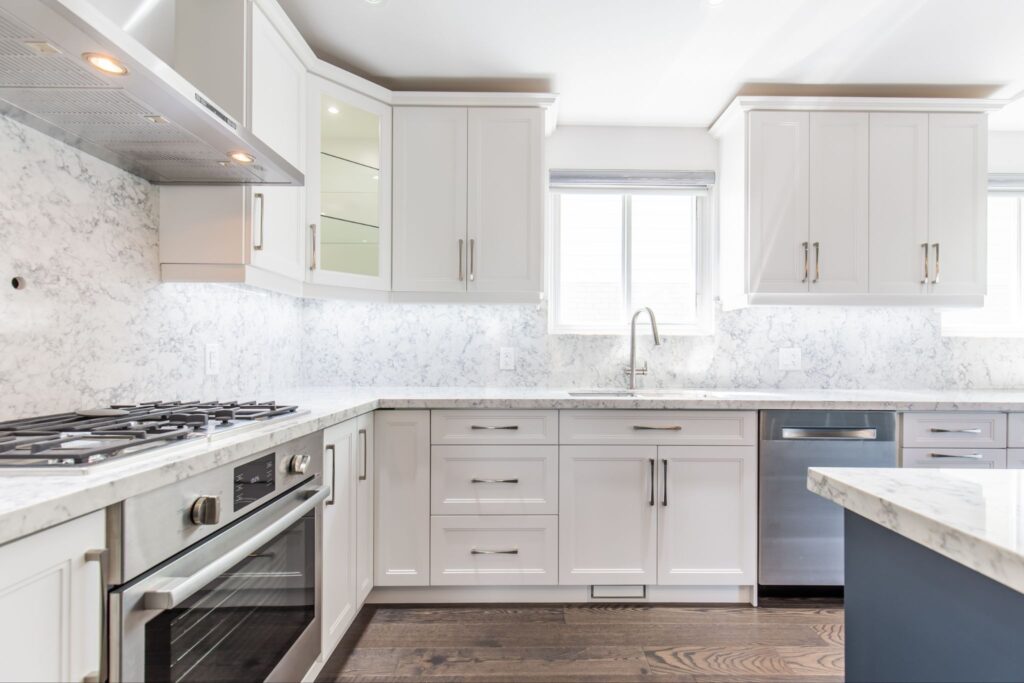
The kitchen is often the most-used space in the home, making it one of the most important areas to get right. A successful renovation here starts with layout and flow, not finishes, because even the best materials won’t fix a poorly planned space.
Focus on how the kitchen functions day to day:
- Clear prep, cooking, and cleaning zones
- Enough counter space where it’s actually needed
- Efficient movement between sink, stove, and fridge
Cabinetry and storage decisions will shape how the space performs over the long term. Prioritizing drawers over lower cabinets and integrating storage solutions reduces clutter and improves accessibility. A kitchen that works well will always feel better to use, regardless of how it looks.
RELATED: The Ultimate Kitchen Renovation Checklist: Step-by-Step
2. Bathroom
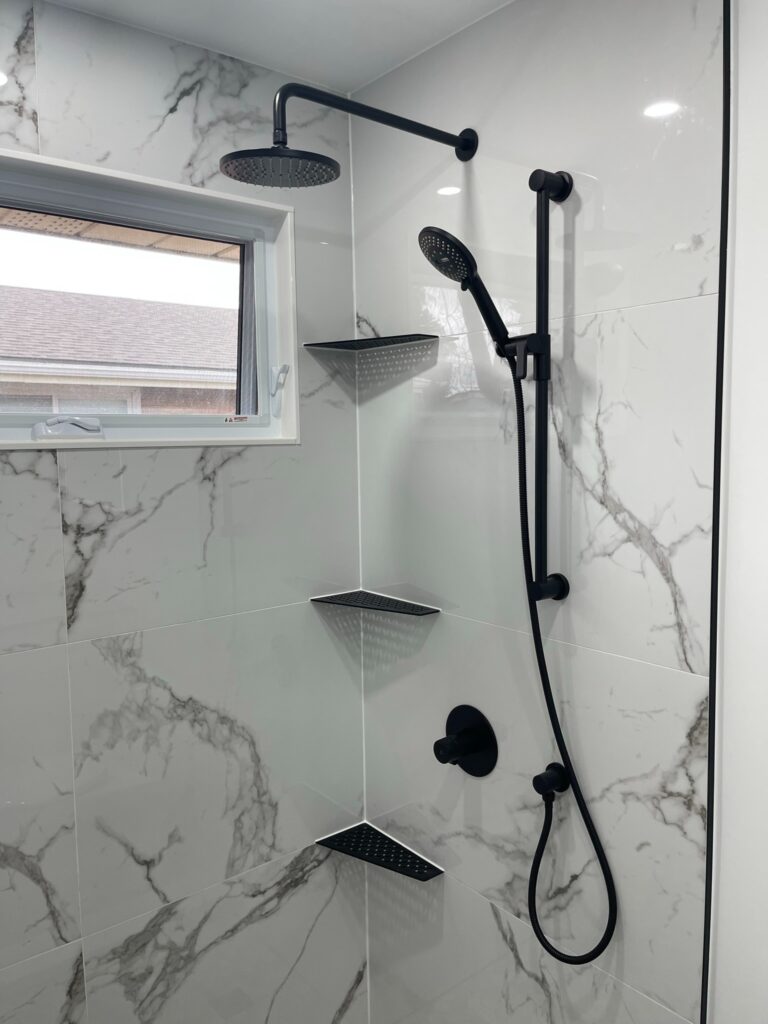
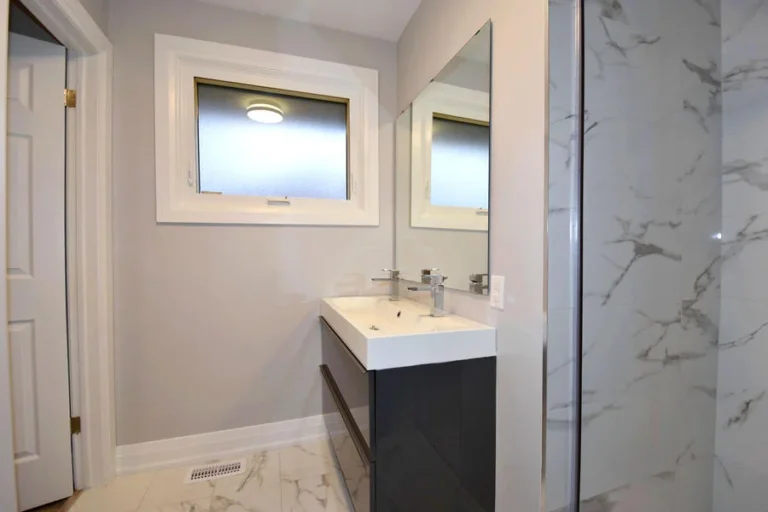
Bathrooms require a different level of planning because they involve constant moisture. This is one area where what’s behind the walls matters just as much as what you see.
Start with the fundamentals that protect the space:
- Proper waterproofing systems beneath tile
- High-performance grout and silicone at joints
- Adequate ventilation to remove moisture
Fixtures should be chosen for durability and ease of use, not just style. Undermount sinks, quartz surfaces, and well-planned storage help reduce maintenance over time. When built properly, a bathroom doesn’t just look clean; it stays that way without constant upkeep.
3. Basement
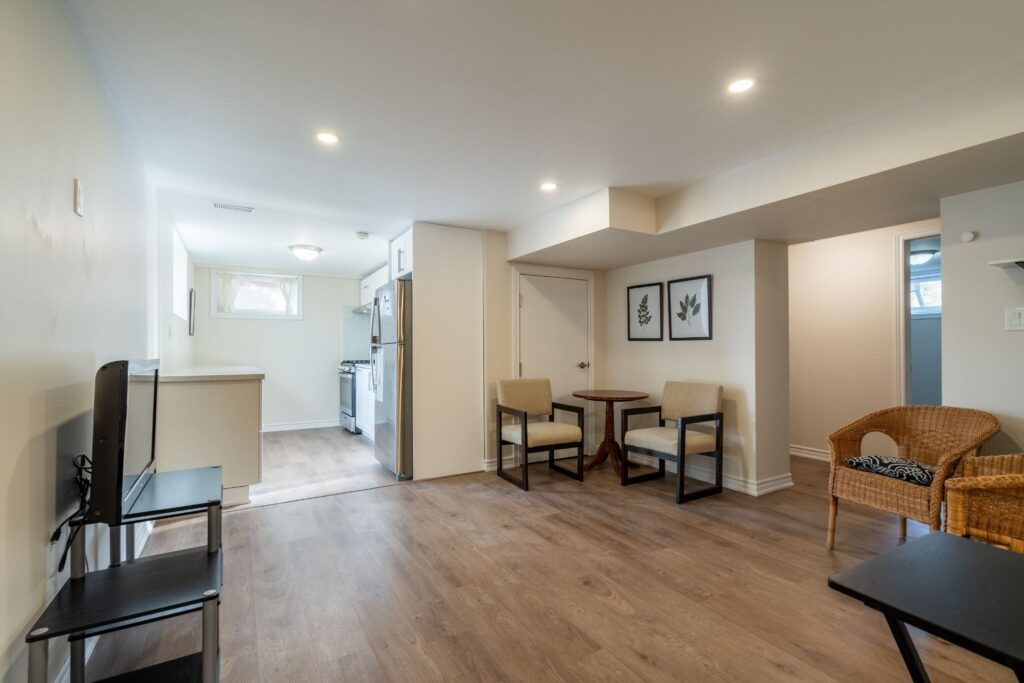
A basement renovation can add significant usable space, but it requires careful planning to avoid common issues. Moisture and temperature control should always come before design decisions.
The most important upgrades typically include:
- Waterproofing and proper drainage
- Insulation to prevent heat loss
- Ventilation to maintain air quality
Once those systems are in place, the space can be adapted for different uses, whether that’s a living area, gym, office, or guest suite. A well-executed basement feels like an extension of the home, not an afterthought.
4. Main Floor
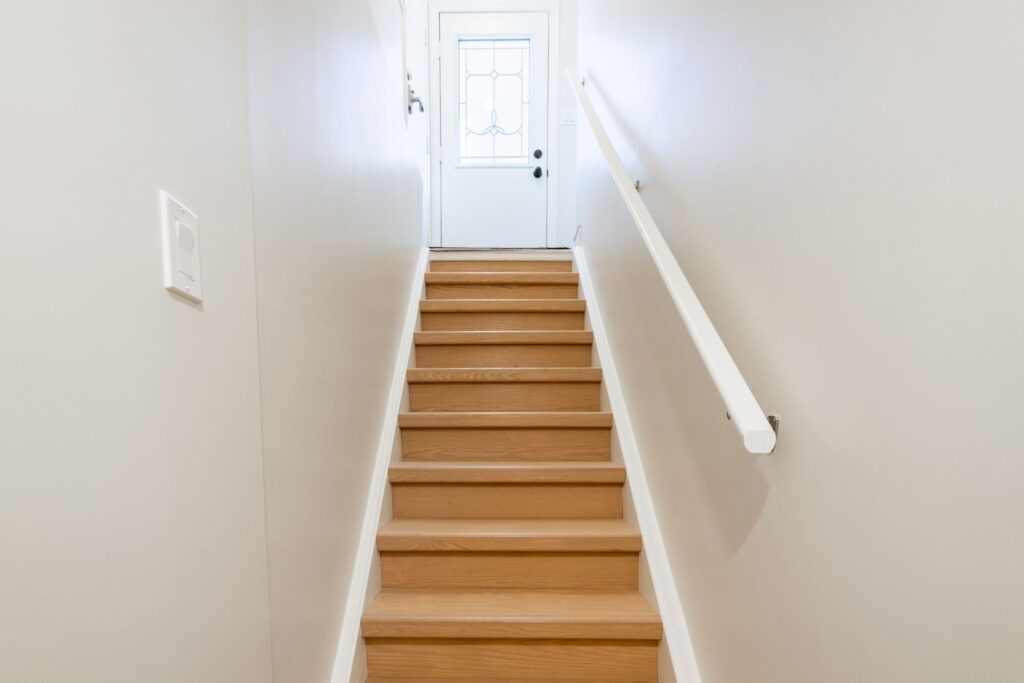
The main floor defines how your home feels and functions as a whole. It’s where layout decisions have the biggest impact on movement, interaction, and overall comfort.
Instead of focusing only on open-concept design, think about how spaces connect:
- Clear pathways between living, dining, and kitchen areas
- Defined zones that still feel cohesive
- Consistent flooring to create visual flow
Storage and usability also play a major role here. Built-ins, mudroom organization, and thoughtful lighting improve how the space works every day. A well-planned main floor feels effortless to move through.
5. Exterior
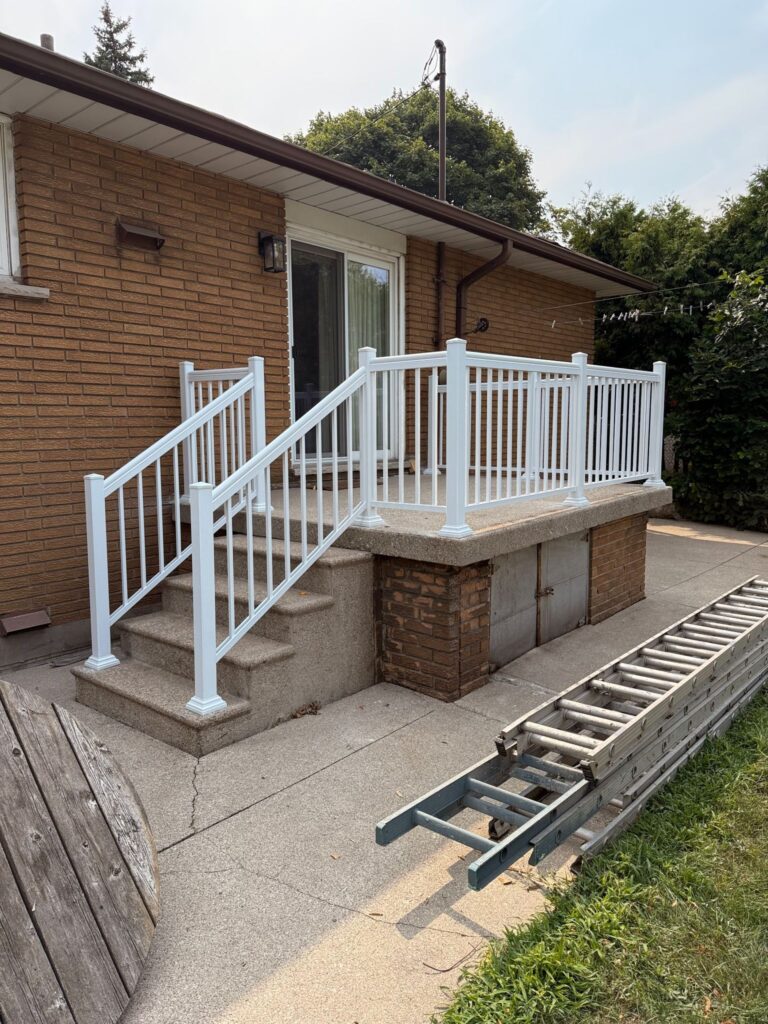
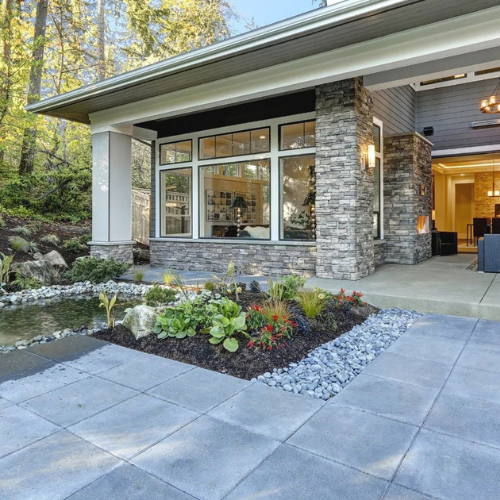
The exterior is often overlooked, but it plays a critical role in protecting everything inside your home. If it’s not in good condition, interior renovations can be compromised over time.
Start by assessing key structural elements:
- Roofing and siding condition
- Foundation integrity
- Drainage and grading around the home
Upgrades should focus on both durability and safety. Slip-resistant surfaces, proper sealing, and weather-resistant materials help prevent long-term issues. A strong exterior ensures your investment inside the home is protected for years to come.
Critical Systems to Keep in Mind
Before any finishes go in, the systems behind your walls determine how well your home actually performs over time. These elements affect safety, durability, and long-term cost, and they should be addressed early while access is still easy during construction, starting with electrical, plumbing, and overall energy performance.
Electrical
Electrical work is one of the most important upgrades to tackle during a renovation, especially in older homes where wiring may no longer meet current demands. Opening walls gives you a rare opportunity to upgrade panels, add circuits, and support modern needs like home offices, improved lighting, and new appliances. Any electrical changes must be properly permitted and completed by a licensed professional to meet code and reduce fire risk.
Plumbing
Plumbing decisions need to be locked in early, as moving pipes or drains after construction begins can quickly increase both cost and complexity. Layout changes, especially in kitchens and bathrooms, often require careful coordination between trades to ensure everything aligns properly behind the walls. High-quality materials and proper installation are critical, as leaks are one of the most damaging and costly issues once finishes are complete.
Energy Efficiency
Energy efficiency upgrades improve comfort while lowering your long-term operating costs, making them one of the smartest investments in a renovation. Improvements like better insulation, upgraded ventilation systems, and modern heating solutions help regulate temperature and maintain healthier indoor air quality. These changes are often invisible once the project is finished, but they have a direct impact on how your home feels and performs every day.
Home Renovation Price Guide: How to Budget Properly
Budgeting for a renovation isn’t just about picking a number; it’s about aligning your scope, materials, and expectations from the start. The biggest factor influencing cost is the extent of the renovation, whether it’s a simple cosmetic update or a full structural reconfiguration. Layout changes, plumbing relocation, and electrical upgrades will always push costs higher than surface-level improvements.
Planning early allows you to understand where your money is going and avoid surprises once construction begins. A realistic budget should also include a contingency buffer to address unexpected issues that may arise during demolition.
Breaking your budget into clear categories makes it easier to manage and adjust as needed:
- Labour: Typically the largest portion, covering skilled trades and project management
- Materials: Cabinets, flooring, fixtures, and finishes that define the final look
- Permits & Inspections: Required for compliance and long-term protection
Splurge vs Save: Where to Invest for Long-Term Value
Not every part of your renovation deserves the same level of investment. The key is knowing what’s difficult to change later and what can be updated over time without major disruption.
Focus your budget on long-term elements like cabinetry, structural work, and systems behind the walls. These components affect how your home performs and are expensive to redo once completed. Spending more here ensures durability, better function, and fewer issues down the line.
On the other hand, finishes such as paint colours, lighting fixtures, and cabinet hardware can be changed relatively easily. Being strategic with these choices allows you to stay within budget while still achieving a polished result.
RELATED: How Much Value Does a Finished Basement Add to Your Home?
Hidden Costs Most Homeowners Forget
Even with a well-planned budget, there are always additional costs that don’t get enough attention upfront. These expenses can add up quickly if they’re not accounted for early, especially in larger renovations.
It’s important to build flexibility into your budget for these often-overlooked items:
- Permit Fees: Required for structural, electrical, and plumbing work and vary by municipality
- Temporary Living Adjustments: Costs associated with setting up a temporary kitchen or bathroom during construction
- Disposal and Cleanup: Bins, hauling, and site cleanup are necessary throughout the project
These costs may seem minor individually, but together they can significantly impact your overall budget. Planning for them early helps you stay in control and avoid unnecessary stress as the renovation progresses.
Common Renovation Mistakes (And How to Avoid Them)
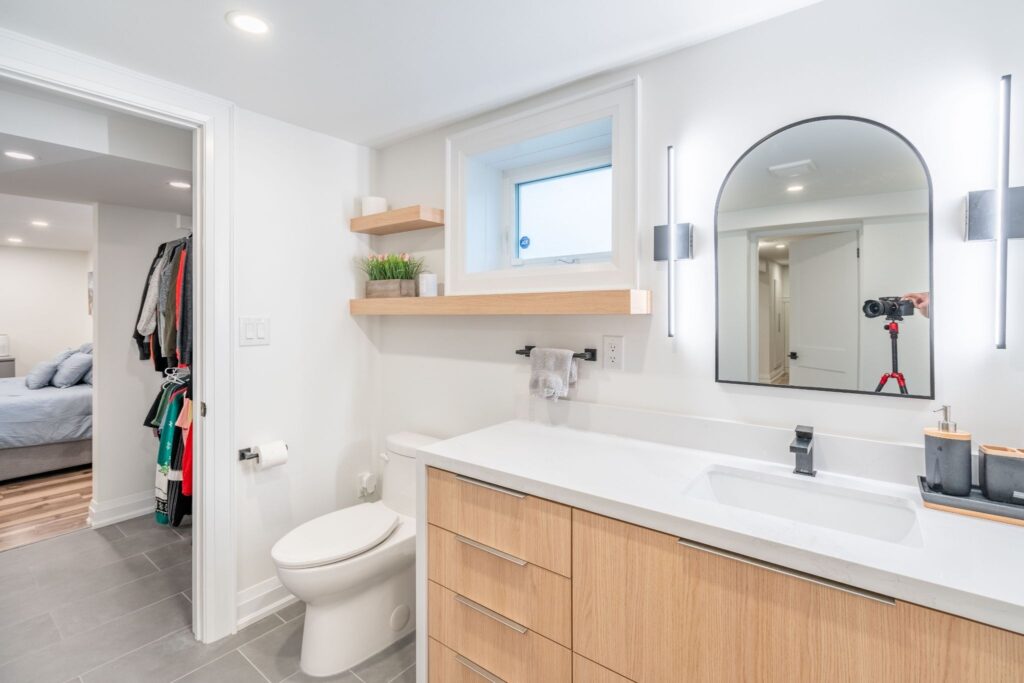
Even well-planned renovations can go off track when key decisions are made too quickly or without the right information. Understanding where things typically break down helps you stay in control and avoid unnecessary stress as your project progresses.
Skipping the Contingency Buffer
No matter how detailed your plan is, unexpected issues will arise once the walls are opened. Older homes, in particular, tend to reveal hidden problems such as outdated wiring, plumbing issues, or structural wear that wasn’t visible during initial walkthroughs.
Without a contingency buffer, typically 10–20% of your total budget, you’re forced to either pause the project or cut corners to stay on track. Planning for the unexpected upfront keeps your renovation moving smoothly without compromising quality.
Hiring on Price Alone
Choosing a contractor based solely on the lowest quote can lead to bigger problems down the line. Lower pricing often means something has been left out, whether it’s proper materials, detailed planning, or skilled labour.
A qualified contractor builds value into their process by anticipating issues, coordinating trades properly, and ensuring work is done to code. The goal isn’t to find the cheapest option, but the one that delivers consistent, reliable results.
Starting Cosmetic Work Before Fixing Structural Issues
It’s tempting to jump straight into finishes like flooring, cabinetry, or paint, but doing so without addressing underlying issues creates long-term problems. Electrical, plumbing, and structural work must always come first, as these systems sit behind walls and under surfaces. Covering them up before they’re properly handled often leads to tearing finished work apart later. A disciplined renovation sequence protects both your investment and your timeline.
Ignoring Permits
Permits are often overlooked because they can feel like an added step, but they play a critical role in protecting your home. Most structural, electrical, and plumbing work legally requires permits and inspections to ensure compliance with building codes.
Skipping this process can create serious issues during resale and may even affect your insurance coverage. Taking the time to secure proper approvals ensures your renovation is done safely and professionally.
Failing to Manage Change Orders
Changes during a renovation are normal, but without proper management, they can quickly spiral out of control. Small adjustments, such as moving a light fixture or upgrading a material, can affect both cost and schedule if they’re not clearly documented.
Every change should be reviewed, priced, and approved before work continues to avoid confusion later. Keeping this process organized helps maintain transparency and prevents surprises at the end of the project.
How to Hire the Right Contractor for Your Renovation
Hiring the right contractor is one of the most important decisions you’ll make during your renovation. A good contractor doesn’t just build; they plan, coordinate, and guide you through each phase so nothing gets missed. This is especially critical when dealing with permits, inspections, and behind-the-walls systems that affect long-term performance.
- Proven Experience: Look for a contractor with a strong portfolio of similar renovation projects
- Clear Process: A defined step-by-step approach ensures nothing is rushed or overlooked
- Detailed Contracts: Everything should be clearly outlined before work begins
- Proper Licensing: Verified credentials and insurance protect you and your home
- Strong Communication: Regular updates help prevent confusion and delays
- Warranty Coverage: A solid warranty reflects confidence in workmanship
A contractor should be someone you trust to manage both the visible and invisible parts of your renovation. If they can clearly explain their process and anticipate potential issues before they happen, you’re on the right track.
Renovate Confidently with Birk Homes

Renovating your home is a major investment, and having the right team behind you makes all the difference. At Birk Homes, the focus is on doing things properly from the start: prioritizing structure, systems, and long-term durability over quick visual upgrades. If you want an expert in home renovations in Hamilton, our approach is built around clarity, planning, and strong execution:
- Process-Driven Planning: Every renovation begins with a clear roadmap. This ensures decisions are made in the right order and reduces costly surprises later. It also keeps timelines realistic and aligned with your scope.
- Built for Long-Term Performance: We prioritize what happens behind the walls. Waterproofing, ventilation, and structural integrity are handled properly to prevent issues years down the line.
- Client-Focused Guidance: Homeowners are supported at every stage of the process. This ensures each decision aligns with your lifestyle, budget, and long-term goals.
If you’re ready to move forward, call us at 905-975-2475 or request a quote online today. We also offer more thorough, in-depth home renovation guides focused on specific areas of the home, available for free download to help you plan smarter from the start.