Choosing a new bathtub shouldn’t feel overwhelming. But with so many materials available, it’s easy to get confused about which option fits your needs and budget.
Two of the most popular choices for bathroom renovations are acrylic and fiberglass tubs. Both offer advantages, but they’re not interchangeable!
Understanding the differences will help you make the right choice for your Hamilton area home renovation.
Related: Vinyl Plank Flooring vs Hardwood: Comparing Cost, Durability, and Style
Understanding Bathtub Materials: Acrylic vs. Fiberglass Bathtub
What Is an Acrylic Bathtub?
Acrylic bathtubs are made from sheets of acrylic plastic that are heated and molded into shape. The acrylic is then reinforced with fiberglass layers on the back for added strength.
This construction creates a non-porous surface that’s smooth and easy to clean. The material is naturally resistant to chipping and cracking when properly installed.
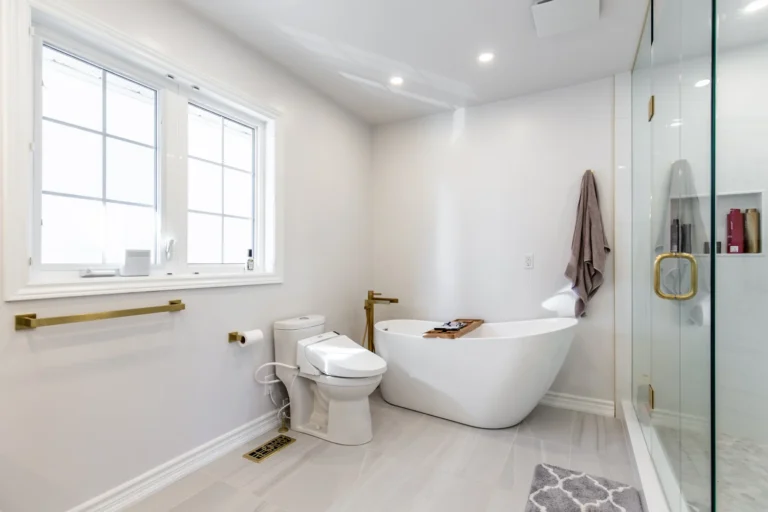
Acrylic tubs come in a wide variety of colors and styles. You can find everything from basic alcove tubs to freestanding soaking tubs.
What Is a Fiberglass Bathtub?
Fiberglass bathtubs start with a mold made of fiberglass material. This mold is then coated with a gel coating that creates the tub’s finished surface.
The gel coat gives the tub its color and shine. However, this coating is thinner than acrylic, which affects the tub’s longevity.
Fiberglass tubs are lightweight and affordable. They’re a popular choice for budget-conscious renovations or rental properties.
Bathtub Material Comparison Overview
When you’re deciding between an acrylic vs. fiberglass bathtub, several factors come into play. Price, durability, maintenance, and appearance all matter.
Acrylic typically costs more upfront but lasts longer. Fiberglass offers immediate savings but may need replacement sooner.
Both materials are lighter than cast iron or steel tubs. This makes installation easier and reduces stress on your bathroom floor.
Acrylic Bathtub Pros and Cons
Durability and Longevity
Acrylic tubs are known for their strength. The material is flexible enough to resist cracking from normal use and minor impacts.
Because the color goes through the entire thickness of the acrylic layer, small scratches won’t show as dramatically. You can often buff out minor damage.
With proper care, an acrylic tub can last 15 years or more. Many manufacturers offer warranties of 10 years or longer on their acrylic products.
Heat Retention and Comfort
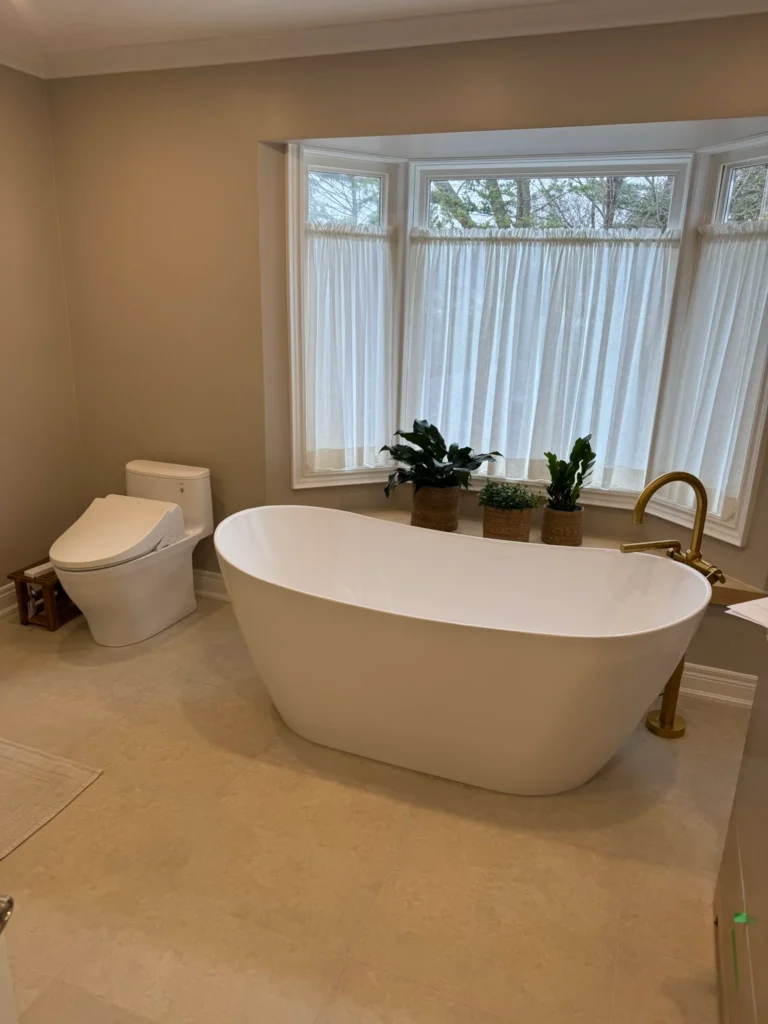
Acrylic holds heat better than fiberglass. Your bathwater stays warmer longer, making for more comfortable and relaxing soaks.
The material feels warmer to the touch when you first step into the tub. This is especially nice during Hamilton’s cold winter months.
The thicker construction also makes acrylic tubs less noisy when filling. Water doesn’t create as much drumming sound against the tub surface.
Cost Considerations
Acrylic bathtubs generally cost between $500 and $3,000, depending on size and style. Custom or high-end models can cost even more.
This higher price point reflects the better durability and longer lifespan. You’re investing in quality that pays off over time.
Installation costs are comparable to fiberglass since both materials are relatively lightweight. Your contractor won’t need special equipment or extra labor.
Acrylic Tub Maintenance Requirements
Cleaning an acrylic tub is straightforward. Use non-abrasive cleaners and a soft cloth to avoid scratching the surface.
Avoid harsh chemicals like acetone or paint thinner. These can damage the acrylic finish and cause discoloration.
The non-porous surface resists staining and doesn’t harbor bacteria. A quick wipe-down after each use keeps your tub looking new.
Fiberglass Bathtub Pros and Cons
Affordability and Budget-Friendliness
Fiberglass tubs are among the most affordable options available. You can find basic models for as little as $200 to $500.
This low price point makes them ideal for rental properties or quick bathroom updates. If you’re renovating on a tight budget, fiberglass gets the job done.
The cost savings allow you to allocate more of your renovation budget to other features. You might upgrade your vanity, lighting, or tile work instead.
Weight and Installation Ease
Fiberglass is extremely lightweight compared to other tub materials. This makes it easier for contractors to maneuver into place.
The lightweight is especially helpful in older homes where floor joists might not support heavier tubs. No structural reinforcement is typically needed.
Installation is usually quick and straightforward. This can reduce your labor costs and minimize the time your bathroom is out of commission.
Long-Term Durability Concerns
The gel coat surface on fiberglass tubs is prone to scratching and wear. Over time, the finish can become dull and stained.
Fiberglass is more flexible than acrylic, which can lead to a “giving” feeling underfoot. Some people find this less stable or comfortable.
Fiberglass tubs typically last 10 to 15 years with proper care, which is shorter than acrylic’s lifespan.
Repairs to damaged fiberglass can be visible. If the gel coat chips away, the underlying fiberglass material shows through in a different color.
Which Is the Best Bathtub Material for Your Home?
Acrylic vs Fiberglass Tub Durability
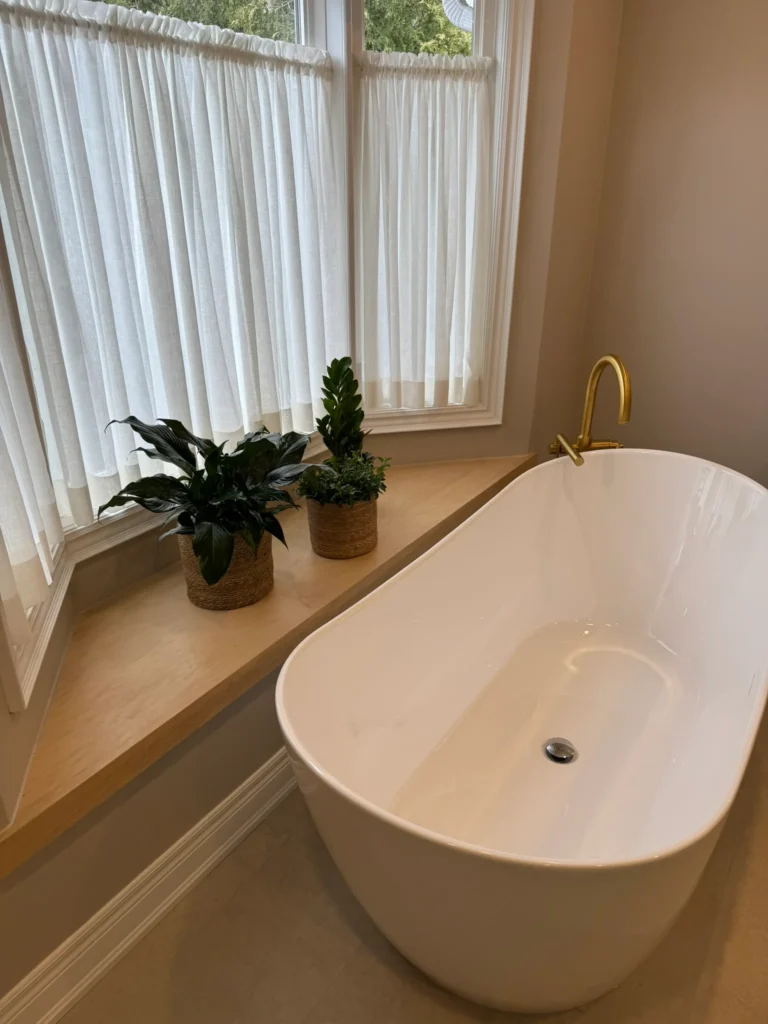
When comparing acrylic vs. fiberglass bathtub durability, acrylic comes out ahead. It withstands daily use better and maintains its appearance longer.
If you plan to stay in your home for many years, acrylic offers better value. The higher upfront cost is offset by not needing to replace the tub as soon.
For short-term rentals or homes you plan to sell soon, fiberglass provides adequate durability at a lower price point.
Matching Your Bathtub to Your Lifestyle
Consider how your family uses the bathroom. If you have young children who will be taking frequent baths, durability matters.
Active households with pets or heavy bathroom traffic benefit from acrylic’s resistance to damage. The material holds up better to the wear and tear of daily life.
If you love long, relaxing soaks, acrylic’s superior heat retention enhances your bathing experience. Fiberglass works fine for quick showers and occasional baths.
Return on Investment for Resale Value
Bathroom renovations offer strong returns when selling your home. Quality materials like acrylic signal to buyers that the home has been well-maintained.
Acrylic tubs photograph better and show well during home tours. The glossy finish and solid feel create a positive impression.
While fiberglass is functional, it may not add as much perceived value. Buyers often view it as a basic, builder-grade option.
Schedule Your Bathroom Renovation With Birk Homes
Still weighing the acrylic vs. fiberglass bathtub decision? Our team at Birk Homes can help you choose the right option for your specific needs and budget.
We’ve completed countless bathroom renovations throughout Hamilton and surrounding areas. We understand which materials work best in different situations.
Our approach focuses on creating value for your family. Whether you’re renovating to age in place, accommodate multiple generations, or simply update your home, we’ll recommend solutions that make sense.
During your in-person consultation, we’ll discuss your priorities, timeline, and budget. We’ll explain the practical differences between materials in terms you can understand, not technical jargon.
From there, we provide a detailed quote that covers everything from demolition to final installation. No surprises, no hidden costs.
Ready to move forward with your bathroom renovation? Contact Birk Homes today to schedule your consultation.
Check out our completed projects to see the quality of our work, or request a quote to get started on transforming your bathroom.
Let’s create a bathroom that works for your family and adds lasting value to your home.