Figuring out where to stay during home renovations is a decision Hamilton homeowners need to make early, not after the first wall comes down. At Birk Homes, we’ve guided families through hundreds of Hamilton home renovations, kitchen projects, and bathroom transformations, and households that plan their temporary housing up front consistently have smoother experiences. The right answer depends on your project scope, household size, timeline, and budget.
Stay Home or Move Out? The First Decision to Make
There’s no universal answer. The right choice depends on the scope, duration, your household’s composition, and how much day-to-day disruption you can tolerate.
Most homeowners lean toward staying home to save money, but that calculation shifts quickly once a kitchen or bathroom is out of commission. A full kitchen renovation can take six weeks to several months. Losing your kitchen for that long isn’t just inconvenient; it’s genuinely difficult to sustain.
Bathroom renovations create a similar pressure point, especially in homes with only one full bath. And the clearest trigger for moving out entirely is structural work; projects involving load-bearing walls, electrical panel replacements, or full HVAC overhauls almost always require the home to be vacant at some point, both for safety and to allow trades to move efficiently.
Signs You Can Probably Stay Home
- The renovation is isolated to one room or area
- You’ll have consistent access to a functional kitchen and at least one full bathroom
- Your daily schedule can tolerate noise during contractor hours
- No young children, elderly family members, or pets with disrupted routines
Signs You Should Seriously Consider Moving Out
- Your kitchen and/or all bathrooms are being renovated simultaneously
- The project involves structural work, load-bearing walls, or HVAC changes
- Dust and air quality will be a health concern, especially relevant for young children, elderly residents, or anyone with respiratory sensitivities
- Utilities will have extended shutdowns
What to Consider Before Choosing Where to Stay
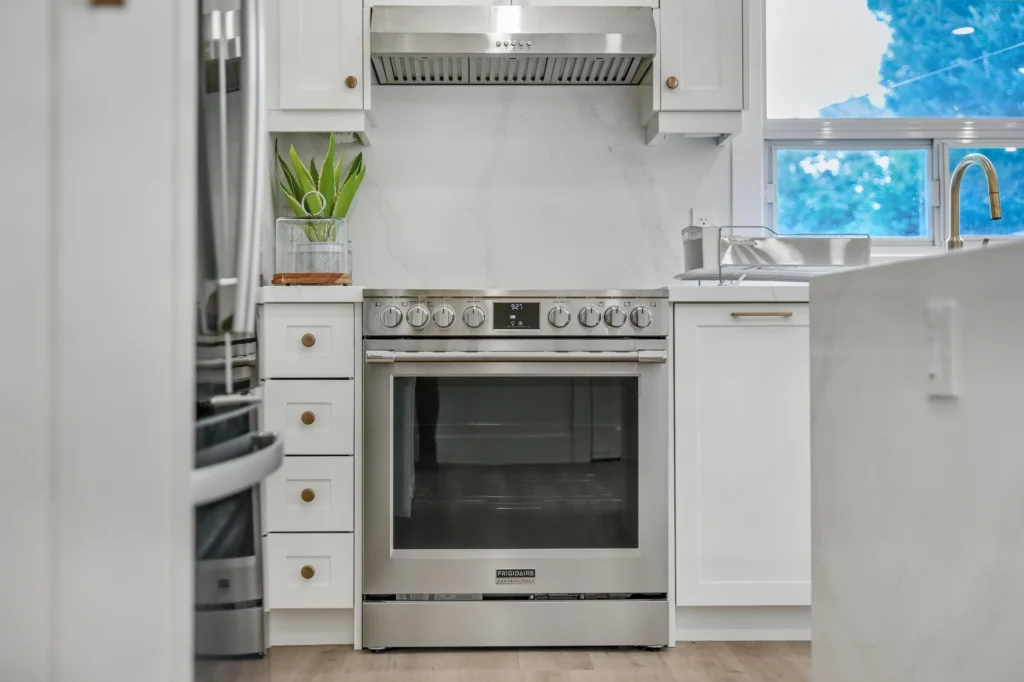
6 Places to Stay During a Home Renovation
There’s a full range of temporary housing options. Here’s an honest look at each one.
Extended-Stay Hotels
Extended-stay hotels are purpose-built for this situation. They include kitchenettes, in-suite or on-site laundry, and weekly or monthly billing that can run up to 45% less than standard hotel rates for longer bookings.
- Best for: Singles, couples, or small families with a defined 4–12 week timeline
- Trade-off: Suites are compact, and if the project runs longer than expected, extensions aren’t as flexible as a rental
- Tip: Book with flexible cancellation terms where possible
Furnished Short-Term Rentals
Platforms like Airbnb and VRBO offer more space and a more home-like feel than an extended-stay hotel, with greater flexibility than a lease. Full kitchen access is the biggest practical advantage, especially for families with young children. Most platforms let you filter for pet-friendly properties.
- Best for: Families with children, pet owners, or anyone needing real square footage
- Trade-off: Peak summer availability in Hamilton can be tight; minimum stay requirements can complicate short-notice extensions
- Tip: Book before you sign your renovation contract; good options go fast in spring and summer
Staying With Family or Friends
The most budget-friendly option for short projects. For two to four weeks, it’s often completely workable. Beyond that, the strain of shared space and differing household expectations starts to compound.
- Best for: Short projects where relationships are strong, and expectations are set clearly
- Trade-off: Timeline slippage can create real friction if your move-out date shifts
- Tip: Contribute to household costs, confirm a clear expected end date, and revisit proactively if the timeline extends
A Short-Term Apartment Lease
For major renovations lasting three months or longer, a month-to-month furnished apartment is often the most sensible option. You get real square footage, the ability to store belongings nearby, and a stable environment.
- Best for: Full home renovations or projects with longer, less predictable timelines
- Trade-off: Moving costs, lease alignment with your project end date, and moving furniture twice
- Tip: Pair with a storage unit ($100–$300/month) to keep things manageable
Parking an RV on Your Property
Keeping an RV on your lot puts you close to the action; you can monitor progress and speak with your contractor daily. For homeowners with larger lots, it’s worth considering for projects under six to eight weeks.
- Best for: Homeowners who want to stay close and have the lot space for it
- Trade-off: Early-morning noise and ongoing dust; municipality permit rules vary
- Tip: Confirm water and power hookup access before committing
Staying in an Unaffected Part of Your Home
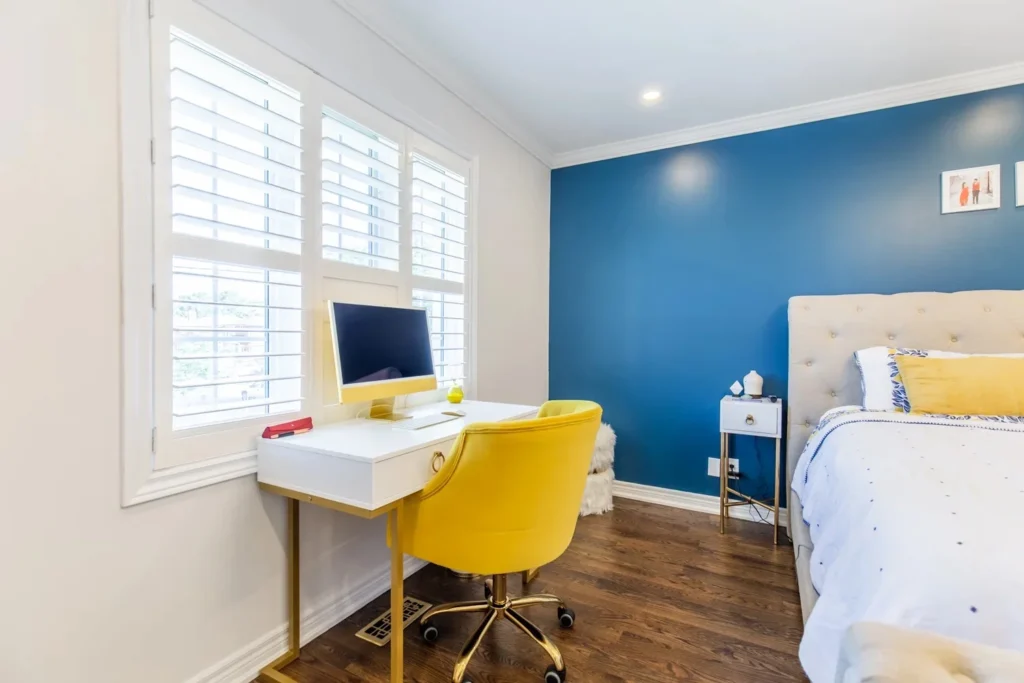
If the renovation is contained, this is the most cost-effective choice. Many homeowners successfully complete a bathroom or basement project by consolidating their daily routine into unaffected areas.
- Best for: Contained, single-room projects where a kitchen and at least one bathroom remain functional
- Trade-off: Mentally tiring even when technically manageable, the noise, dust, and disruption compound over time
- Tip: Designate a clear sleeping zone well away from the work, set up a temporary kitchen station (mini-fridge, microwave, kettle), and agree on off-limits zones with your contractor from day one
Common Mistakes to Avoid When Planning Temporary Housing
Even well-organized homeowners trip up on these:
- Underestimating the timeline: Renovation projects routinely run longer than originally estimated. Don’t book accommodation with a hard move-out date tied to a contractor promise; build in a minimum two-week buffer into your renovation timeline.
- Forgetting storage: Your belongings need somewhere to go. A storage unit at $100–$300/month is a cost many homeowners forget entirely until they’re staring at a living room full of furniture.
- Choosing based on price alone: The cheapest option isn’t always the right one. No workspace, no pet policy, or no kitchen access can create new problems that cost more in time and stress.
- Not confirming pet policies: “Pet-friendly” doesn’t always mean large dogs or multiple animals. Confirm specifics before booking.
- Moving back in too early: Paints, flooring adhesives, and coatings off-gas VOCs for days to weeks after application. Your contractor should advise you on a realistic re-entry timeline.
- Skipping the insurance check: Many policies include ALE coverage, but only for homeowners who actually ask.
How Birk Homes Helps Reduce Your Displacement Time
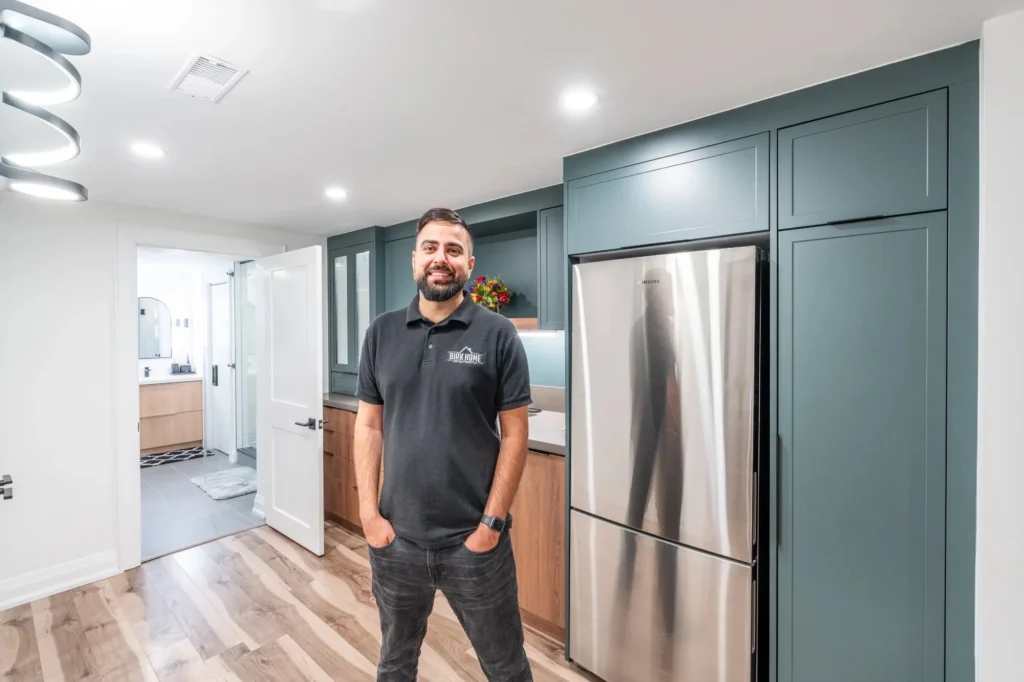
One of the most overlooked variables in the “stay or go” decision is how well your contractor manages the worksite and the schedule. A disorganized crew unnecessarily extends your displacement. A professional team changes the equation.
At Birk Homes, we take home renovations in Hamilton, Burlington, Milton, and the GTA seriously; that includes how the work affects your family’s daily life:
Clear Project Timelines
Before work begins, you’ll have a detailed schedule. You’ll know which phases are high-disruption and which are lower-impact, so you can plan accommodation around them rather than guessing.
Phased Renovation Planning
For larger whole-home projects, tackling the renovation in a deliberate sequence can significantly reduce the time you need to be displaced, or eliminate it entirely. This is worth discussing during your initial consultation.
Contained Worksites
Dust barriers and careful work zone management matter when any part of the house is still lived in. We take that seriously.
Honest Scope Guidance
If a full kitchen gut means you need temporary housing, we’ll tell you that directly. If a bathroom refresh shouldn’t affect the rest of the house, we’ll tell you that too. Accurate information up front protects your budget and planning.
Backed by a 3-year workmanship guarantee and a 5-year leak-proof bathroom guarantee, Birk Homes is the 2023 Platinum Readers’ Choice Award winner for Best Home Renovation Company in Hamilton.
Ready to start planning your renovation the right way? Request a free quote or call us at (905) 975-2475, and let’s talk through scope, timeline, and what to expect before work begins.
FAQs About Where to Go During Home Renovations
Can I stay in my house during a full home renovation?
It depends on the scope. If all bathrooms or the kitchen are being renovated simultaneously, staying home becomes impractical. For phased full-home renovations, some homeowners stay in untouched areas. Talk through the scope with your contractor before deciding.
How far in advance should I book temporary housing?
As soon as you have a confirmed renovation start date. Good options in Hamilton-area neighbourhoods book quickly, especially in spring and summer. Aim to have housing locked in before your renovation contract is signed.
What’s the cheapest way to handle temporary housing?
Staying with family or friends is the lowest-cost option if it’s available. If not, short-term rentals booked well in advance typically offer better rates than extended-stay hotels for durations of two weeks or more. Phasing your renovation to reduce displacement time also reduces overall accommodation costs.
Should I put my furniture in storage during a renovation?
For major renovations like whole-home projects, yes. Professional storage protects your furniture from dust, paint, and accidental damage. For contained single-room projects, moving furniture to another area of the home may be sufficient. Ask your contractor what’s realistic for the scope.
What happens if my renovation runs over schedule?
Build a buffer into your housing arrangements from the start. A two-week project should have accommodation booked for at least three. If you’re in a short-term rental with a flexible cancellation policy, extending is usually straightforward. Avoid hard end dates that leave you scrambling if the timeline shifts.