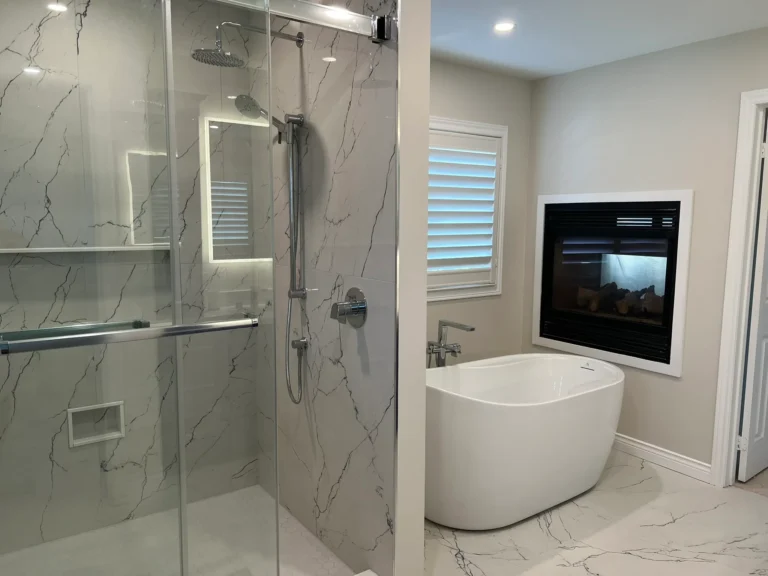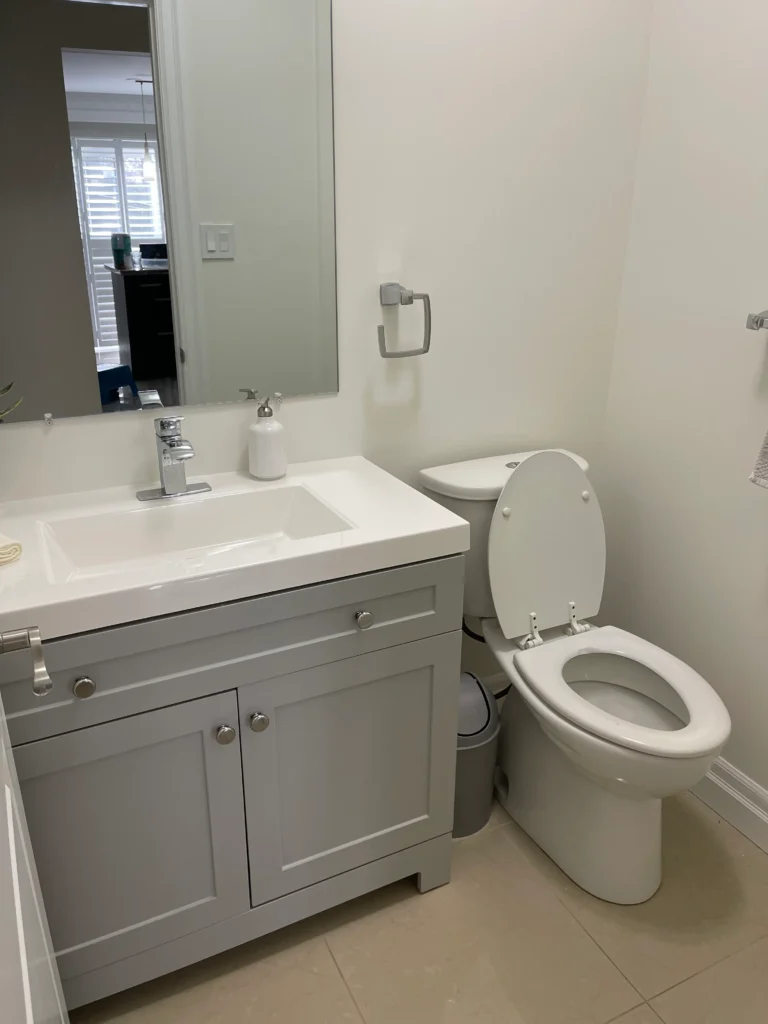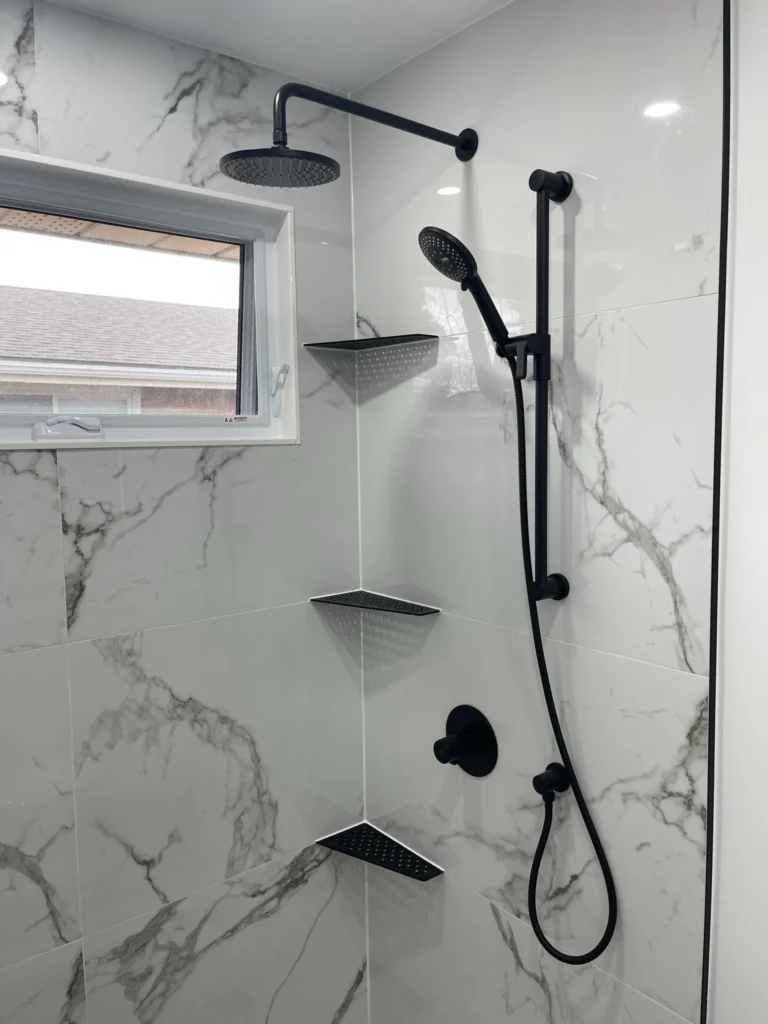
Most bathroom renovations don’t fail because of bad design; they fail because of poor planning. Understanding how to plan a bathroom renovation properly means making the right decisions in the right order. A solid bathroom renovation planning guide helps you avoid costly mistakes and keeps your project on track from start to finish. This blog walks you through six simple steps to plan your renovation right.
What Planning a Bathroom Renovation Actually Involves
True planning is more than picking tiles you saw on Instagram. It’s a structured process that turns a vague vision into a step-by-step project, with a defined budget, timeline, and design.
At its core, it means answering four questions:
- What: What do you want to change?
- Why: Are you renovating for function, aesthetics, or resale value?
- How much: What are you willing to spend?
- Who: Will you hire professionals or do some of it yourself?
A solid plan acts as your project roadmap. It keeps your contractor aligned with your expectations and helps prevent budget blowouts.
For homeowners in Hamilton, Burlington, Grimsby, and across the GTA, this matters even more. Older homes in these areas often have outdated plumbing, cramped layouts, or worn finishes. A well-planned renovation can completely transform them.
How to Plan a Bathroom Renovation: Step-by-Step
Here’s how to start planning a bathroom renovation in a way that keeps things manageable. It all comes down to breaking the process into clear stages that build on one another, each one laying the foundation for what comes next.
1. Define Your Goals
Before you think about layouts or materials, you need to get clear on what you’re actually trying to achieve. A renovation without defined goals often leads to scattered decisions, unnecessary upgrades, and a space that doesn’t fully solve your needs.
Start by identifying what matters most to you:
- Functionality Improvements: Fix layout inefficiencies, storage issues, or daily-use frustrations
- Aesthetic Upgrade: Refresh outdated finishes with a more modern, cohesive look
- Long-Term Value: Improve resale appeal or support multigenerational living
Once your goals are clear, every decision becomes easier to evaluate. It gives your project direction and ensures your renovation solves real problems—not just surface-level ones.
2. Set a Realistic Budget
A well-planned budget does more than control costs; it guides your decisions and helps you prioritize where your money should go. Building a clear bathroom renovation project budget plan ensures you’re investing in the right areas from the start. Without a clear budget, it’s easy to overspend on finishes while neglecting the systems that actually make the bathroom last.
Break your budget into key categories to stay grounded:
- Labour Costs: Often the largest portion, covering skilled trades and installation
- Materials and Finishes: Tile, countertops, cabinetry, and fixtures
- Plumbing and Electrical: Rough-ins, upgrades, and behind-the-wall work
- Permits and Fees: Required approvals depending on scope and municipality
- Contingency Fund: A 10-20% buffer for unexpected issues
This structure helps you stay in control as decisions evolve. When your budget is clear, you can invest confidently in what matters most without second-guessing every choice.
3. Research and Gather Inspiration
Inspiration is important, but it needs to be grounded in practicality. The goal isn’t to copy what you see online; it’s to understand what styles and features actually work for your space and lifestyle.
If you’re figuring out how to visually plan for bathroom renovations, focus on building a clear direction:
- Style Direction: Identify a consistent look that fits your home, not just trends
- Layout Ideas: Study how similar-sized bathrooms are arranged for efficiency
- Material Combinations: See how tiles, fixtures, and finishes work together
This step helps you communicate your vision clearly with your contractor. It also prevents decision fatigue later by narrowing down your preferences early.
4. Hire the Right Contractor
The contractor you choose has a direct impact on how smooth your renovation feels and how well it holds up over time. This isn’t just about price; it’s about process, experience, and attention to detail.
When evaluating your options, focus on what actually matters:
- Experience With Full Renovations: Look for proven work beyond cosmetic updates
- Clear Process and Communication: Ensure expectations, timelines, and scope are defined
- Focus on Systems and Durability: Ask how they handle waterproofing, ventilation, and long-term performance
Knowing what questions to ask contractors can really help narrow down your options.
5. Finalize Design and Pull Permits
Once your contractor is in place, it’s time to lock in the details. This is where your ideas become a fully defined plan that can be executed without confusion or delays.
Make sure these things are finalized before construction begins:
- Layout and Drawings: Confirm all measurements, placements, and configurations
- Material Selections: Choose tile, fixtures, and finishes early to avoid delays
- Permits and Approvals: Ensure all required permits are secured before starting work
This step prevents costly changes mid-project. When everything is decided up front, construction can proceed efficiently and without unnecessary interruptions.
6. Create a Project Timeline
A realistic timeline keeps your renovation organized and helps manage expectations from start to finish. Without one, delays and miscommunication can quickly derail the process.
Build your timeline around the key phases of the project:
- Planning Phase: Design, budgeting, and material selection
- Pre-Construction: Ordering materials and preparing the space
- Construction Phase: Demolition, rough-ins, installation, and finishing
Timelines don’t need to be perfect, but they should be clear. When you understand the sequence of work, you can anticipate what’s coming and avoid unnecessary stress as the project progresses.
How Long Does It Take to Plan a Bathroom Renovation?
It depends on the scope. A simple cosmetic update might take two to four weeks of planning. A full renovation with custom materials, structural changes, or permit requirements can take four to eight weeks in the planning phase alone.
Here’s a rough breakdown:
- Goal-setting and budgeting: 1-2 weeks
- Design and material selection: 2-4 weeks
- Contractor sourcing and quotes: 2-3 weeks
- Permits and approvals: 2-6 weeks (varies by municipality)
The construction phase for a full bathroom gut typically runs two to six weeks. From the first idea to the final grout, you’re often looking at 2-4 months in total.
Rushing the planning phase almost always backfires, so take the time to do it right.
Common Mistakes to Avoid When Planning a Bathroom Renovation
Even well-intentioned renovations can run into problems when key steps are overlooked. Many of the most expensive issues come from decisions made too early, too late, or without the full picture in mind.
Underestimating the Budget
Unexpected issues, such as outdated plumbing or subfloor damage, can quickly increase costs. Without a contingency buffer, even a well-planned renovation can go over budget.
Choosing Materials Before Finalizing the Layout
Selecting tile or fixtures before locking in your layout often leads to mismatches or costly adjustments. Layout decisions should always come first.
Ignoring Ventilation
Poor ventilation leads to moisture buildup, mold, and long-term damage. A properly sized fan with a timer is essential, not optional.
Not Preparing for the Disruption
Losing access to a bathroom during construction can be more disruptive than expected. Planning for temporary solutions avoids unnecessary stress.
Hiring Based on Price Alone
The lowest quote often comes with compromises in quality or process. Choosing a contractor should be based on experience, systems, and long-term reliability, not just cost.
Best Practices for Planning a Bathroom Renovation the Right Way
A well-planned renovation doesn’t happen by accident; it’s the result of intentional decisions made early in the process. Understanding how to plan your bathroom renovation properly means focusing on what actually impacts long-term performance, not just appearance.
Prioritize Function Over Trends
Trendy finishes come and go, but functionality stays. A layout that works well and materials that perform will always outlast design fads.
Don’t Skip the Contingency Budget
Setting aside 10-20% for unexpected costs protects your project from delays and financial stress when surprises arise.
Think About Storage Early
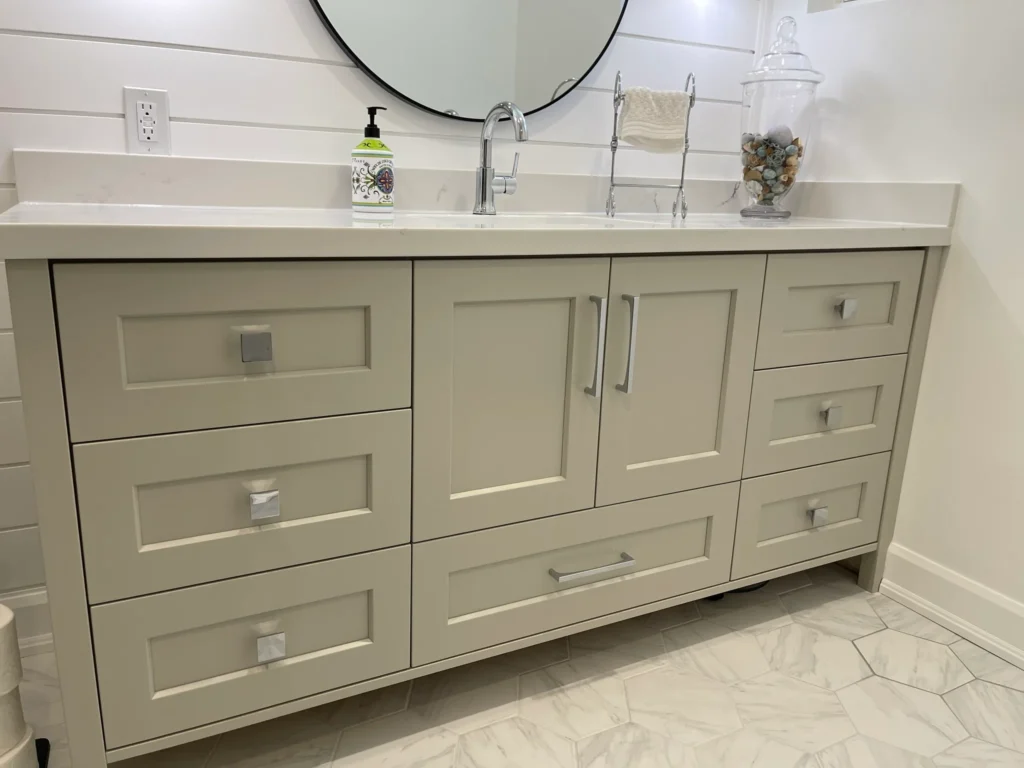
Storage is often overlooked until it’s too late. Planning for drawers, niches, and accessible storage improves daily usability.
Choose Quality Where It Counts
Invest in waterproofing, plumbing, and structural elements first. These are the components that determine how long your bathroom lasts.
How Birk Homes Delivers Stress-Free Renovations
Planning is only part of the equation; execution is where everything comes together. At Birk Homes, our approach to home renovations in Hamilton is built around structure, clarity, and long-term performance.
We don’t just focus on what looks good at completion; we focus on what holds up over time:
- Multigenerational Design Focus: We design bathrooms that support long-term living, accessibility, and evolving family needs without sacrificing style.
- Value-Driven Renovation Approach: Every decision is guided by what adds real, lasting value to your home, not just what looks good on day one.
- Client-Focused Communication: We guide homeowners through each step with transparency. Clear expectations and proactive updates keep the process smooth and predictable.
This approach eliminates guesswork and prevents common renovation pitfalls. The result is a bathroom that not only looks refined but performs reliably for years to come.
Ready to Plan Your Bathroom Renovation in the GTA?
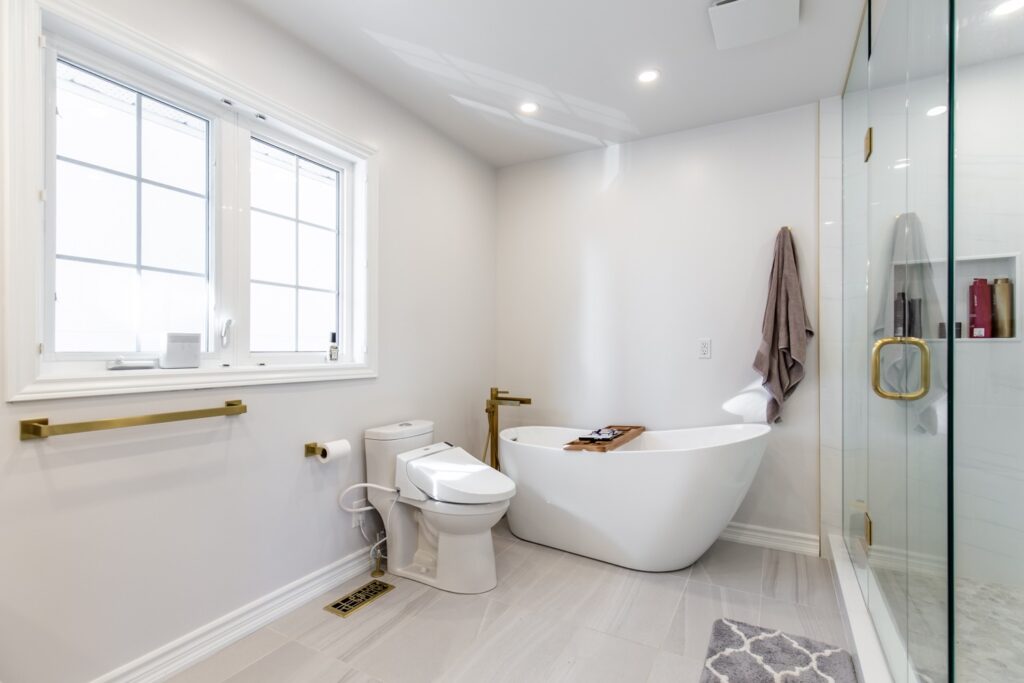
Planning your renovation the right way comes down to a few key principles: define your scope early, prioritize layout and systems, set a realistic budget, and make decisions in the right order. When done properly, the process becomes far more predictable—and far less stressful.
If you’re ready to take the next step, call us at 905-975-2475 or request a quote online today.
You can also check out our comprehensive bathroom renovation guide, available for free download, to help you make more informed decisions before your project begins.