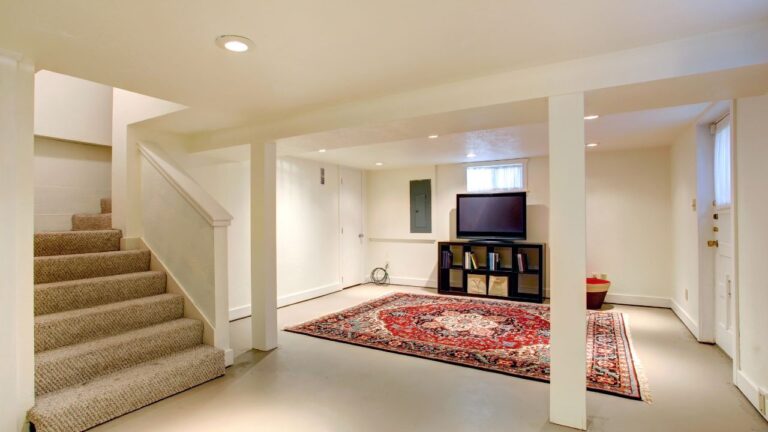
Planning a basement renovation can feel overwhelming, especially when you start hearing about permits, inspections, and building codes. Many homeowners wonder whether they really need to go through the formal permit process for their project.
The truth is that obtaining the proper basement remodel permit protects your investment, ensures your family’s safety, and prevents costly problems down the road. Let’s break down exactly what you need to expect.
Related: Empty Nesters Stage: What It Is and What Comes Next
Understanding Basement Remodel Permit Requirements
What a Basement Renovation Permit Covers
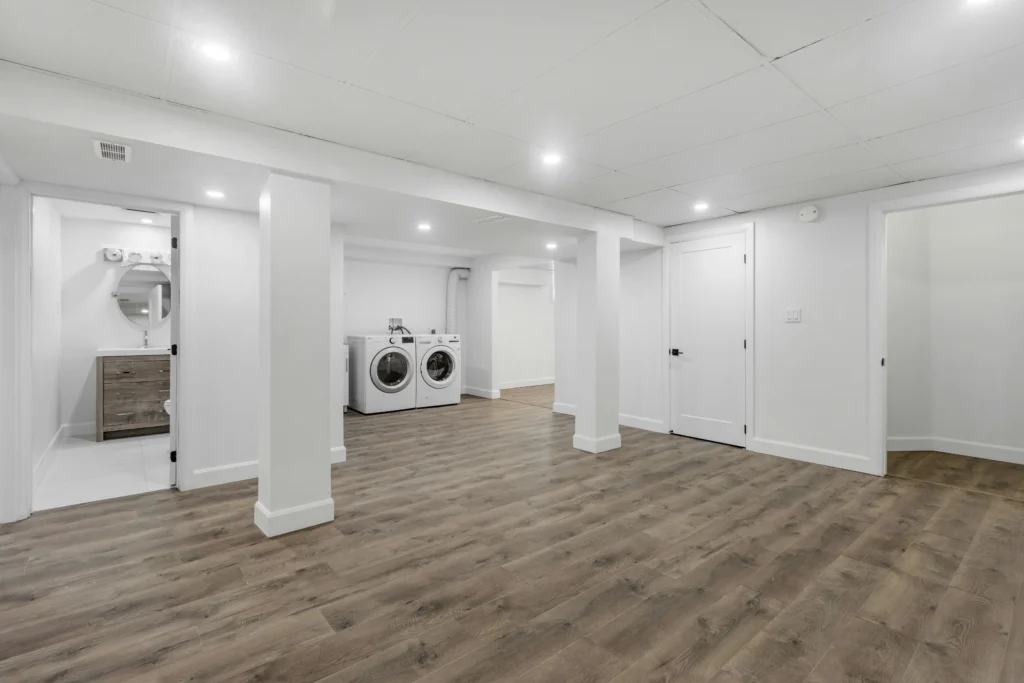
A basement remodel permit is official approval from your municipality to make specific changes to your home’s lower level. This document confirms that your planned renovations meet current building codes and safety standards.
The permit process involves submitting detailed plans showing what work you intend to complete. City inspectors then review these plans to ensure they comply with structural, electrical, plumbing, and fire safety requirements.
Once approved, inspectors will visit your home at various stages of construction. These inspections verify that work is being completed according to the approved plans and meets all code requirements.
When You Need a Permit vs. When You Don’t
Most significant basement renovations require a basement remodel permit in Hamilton and surrounding areas. Any work involving electrical systems, plumbing modifications, structural changes, or adding living spaces typically needs approval.
Smaller cosmetic updates usually don’t require permits. Painting walls, replacing flooring, or installing new light fixtures in existing locations generally fall outside permit requirements.
However, the line between permitted and non-permitted work can be unclear. When in doubt, contact your local building department or work with an experienced contractor who understands local requirements.
How Building Codes Protect Your Investment
Building codes exist to protect homeowners, their families, and future property owners. These standards ensure that renovations are structurally sound, fire-safe, and won’t create hazardous living conditions.
Completing work without the required basement remodel permit can create serious problems. Unpermitted renovations may need to be torn out and redone if discovered during a home sale or insurance claim.
According to the Ontario Building Code, all construction and renovation work must meet minimum safety standards. Following these codes protects your family and maintains your home’s value.
Types of Basement Remodel Work That Require Permits
Electrical and Plumbing Modifications
Any changes to your basement’s electrical system require a basement remodel permit. This includes adding new outlets, installing lighting circuits, upgrading electrical panels, or running new wiring.
Plumbing work also falls under permit requirements. Adding a bathroom, installing a wet bar, or relocating existing plumbing lines all need official approval and inspection.
These systems directly affect your family’s safety. Improperly installed electrical or plumbing work can cause fires, water damage, or health hazards that put everyone at risk.
Structural Changes and Wall Removal
Removing or modifying walls in your basement almost always requires a basement remodel permit. Load-bearing walls support your home’s structure, and removing them incorrectly can cause catastrophic damage.
Even non-load-bearing wall changes typically need permits because they affect your home’s layout and egress requirements. Building codes specify minimum sizes for rooms, ceiling heights, and emergency exits.
Professional contractors can determine which walls are load-bearing and design proper support systems. This expertise is essential for keeping your home safe and structurally sound.
Adding Bedrooms or Bathrooms
Creating a bedroom in your basement involves specific code requirements. Bedrooms must have proper egress windows, adequate ceiling height, heating, and electrical outlets.
Egress windows are particularly important for safety. These emergency exits allow occupants to escape and firefighters to enter during emergencies. They must meet minimum size requirements and be easily operable.
Adding bathrooms requires permits for plumbing, electrical, and ventilation work. Proper ventilation prevents moisture problems that can lead to mold growth and structural damage.
Creating Separate Living Suites
Converting your basement into a rental suite or in-law apartment requires comprehensive permits. These projects involve multiple systems and must meet standards for independent dwelling units.
Separate suites need their own entrances, kitchens, and bathrooms. They must also meet fire separation requirements between units to protect occupants in both spaces.
The basement remodel permit process for creating suites is more involved than simple renovations. However, it ensures your rental unit is legal, safe, and won’t cause problems during home sales or insurance claims.
Steps to Obtain Your Basement Remodel Permit in Hamilton
Gathering Required Documentation

The first step in obtaining a basement remodel permit is preparing detailed plans. These drawings should show existing conditions, proposed changes, and specifications for all work.
You’ll need to provide floor plans, electrical layouts, plumbing diagrams, and structural details. Professional contractors typically prepare these documents as part of their services.
Some municipalities also require site plans showing your property boundaries and building locations. The specific requirements vary, so check with your local building department for their complete list.
Submitting Your Application
Once your documentation is ready, submit your basement remodel permit application to Hamilton’s building department or your local municipality. Applications typically include the prepared plans, completed forms, and required fees.
Permit fees in Hamilton vary based on the scope and value of your renovation project. Most applications are reviewed within a few weeks.
Some projects may require multiple permits. Your contractor can help determine exactly which permits your specific renovation needs and coordinate the application process.
Scheduling and Passing Inspections
After receiving your basement remodel permit, you’ll need to schedule inspections at specific points during construction. Typical inspection stages include framing, electrical rough-in, plumbing rough-in, and final inspection.
Inspectors verify that work meets code requirements and matches your approved plans. If they identify issues, you’ll need to make corrections before proceeding to the next stage.
Final inspection approval confirms that your renovation is complete and safe. This documentation is important for insurance purposes and future home sales.
Get Started With Birk Homes for Your Permitted Basement Renovation
Don’t let permit requirements discourage you from creating the basement space your family needs. Birk Homes handles all aspects of the basement remodel permit process, making your renovation smooth and stress-free.
Our experienced team knows Hamilton’s building codes inside and out. We’ll prepare all necessary documentation, submit permit applications, coordinate inspections, and ensure your project meets every requirement.
From initial design through final inspection, we’re committed to delivering quality renovations that add lasting value to your home. Whether you’re creating a comfortable family space or adding a rental suite for multigenerational living, we’ve got you covered.
Request a quote to schedule your in-person consultation, or call us today to discuss your basement renovation plans. Let’s work together to transform your basement into the functional, beautiful space you’ve been dreaming of.