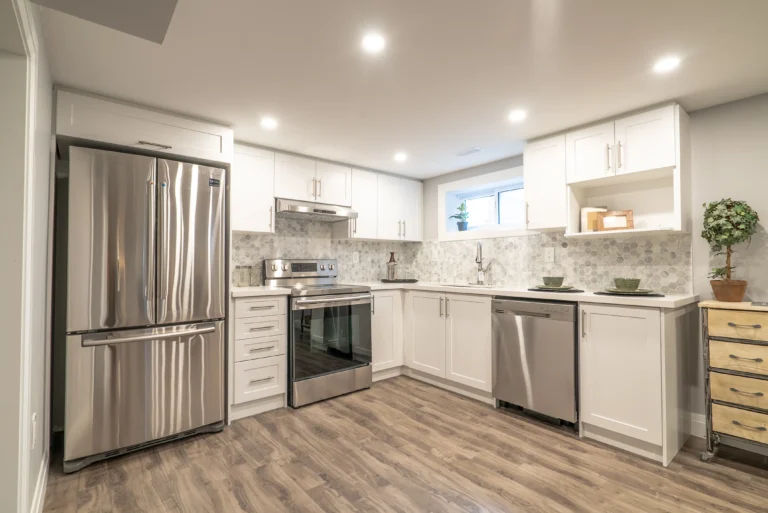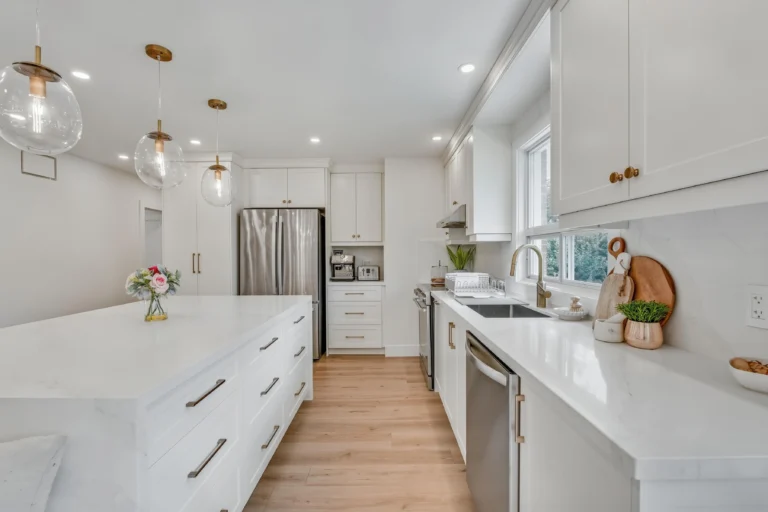
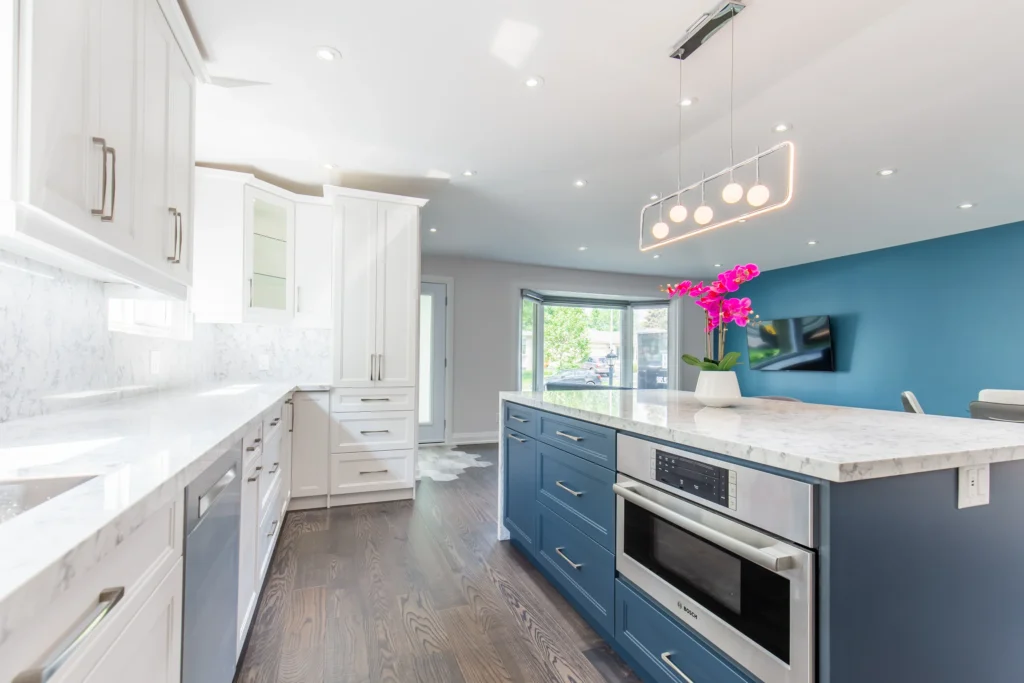
A kitchen renovation is one of the most rewarding home improvement projects you can take on, but without a solid kitchen renovation checklist or contractor to guide you, it can quickly become one of the most stressful. Between layout decisions, material selections, permit requirements, contractor coordination, and budget management, there are many moving parts. The good news? When you break it down step by step, it becomes a whole lot more manageable.
Whether you’re planning a cosmetic refresh or a full structural overhaul, this guide walks you through everything you need to know, in the right order.
Why Kitchen Renovations Feel Overwhelming (And How a Plan Fixes That)
Most people don’t struggle with the idea of renovating their kitchen. They struggle with knowing where to start.
You might have a Pinterest board full of inspiration, a rough budget in mind, and a general sense that you want more storage and better flow, but turning that into an actual renovation plan is an entirely different challenge. Suddenly, you’re dealing with cabinet lead times, countertop fabrication schedules, permit applications, and contractor availability, all at the same time.
The reason renovations feel chaotic is usually because decisions get made out of order. Someone picks a countertop before finalizing the cabinet layout. Appliances get ordered before confirming they fit the cabinetry dimensions. A contractor is hired before the scope of work is clearly defined. Each misstep compounds the next.
A structured plan doesn’t eliminate the complexity; it sequences it. When you understand what needs to happen and when, the project feels like a process instead of a problem. That’s exactly what this guide is designed to give you.
Your Complete Kitchen Renovation Planning Checklist
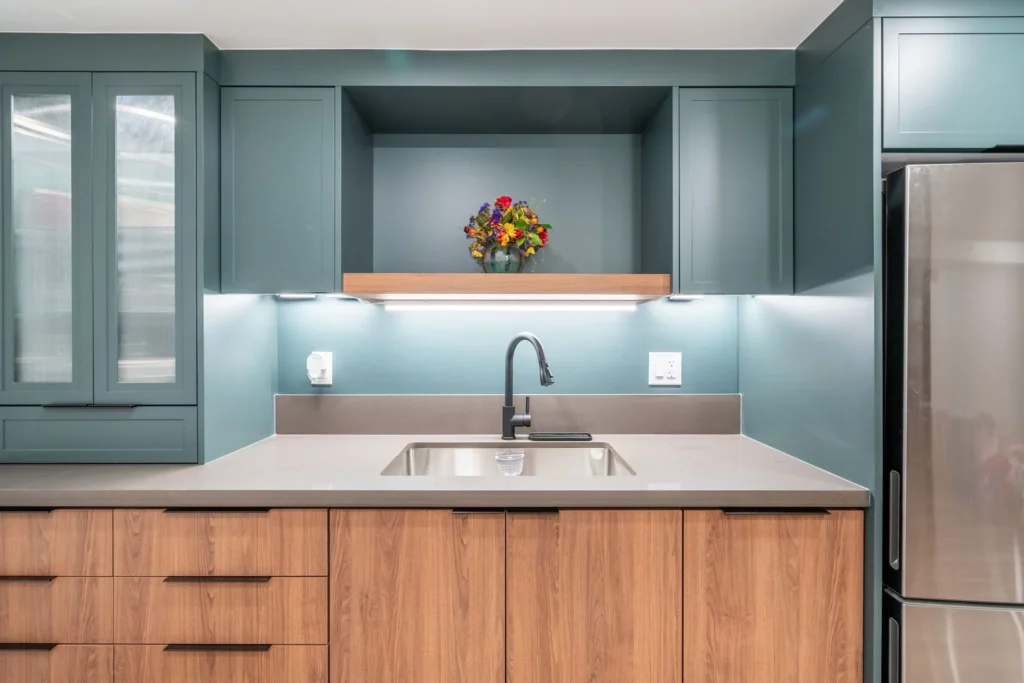
Think of this as your project roadmap. This checklist for kitchen renovations is organized chronologically, so each step builds logically on the previous one.
Step 1: Define Your Goals and Renovation Scope
Before anyone picks up a tool, you need to be clear on what you actually want from this renovation. That sounds obvious, but it’s the step most homeowners rush through.
Ask yourself: What genuinely bothers you about your current kitchen? Is it the lack of counter space? Poor storage? A layout that creates traffic jams when more than one person is cooking? Bad lighting? A dated look that no longer reflects your style?
From there, decide on your scope. Are you looking at a cosmetic update (i.e., new doors, countertops, and a fresh backsplash) or a full kitchen replacement with new cabinetry and fixtures? Or are you considering something more involved, like removing a wall, relocating plumbing, or adding an island? Knowing your scope upfront shapes every decision that follows, including your budget, your timeline, and the type of contractor you need.
If you’re still figuring out how long the whole process might take, it’s worth reading up on planning a home renovation timeline before committing to anything.
Step 2: Set Your Budget and Obtain Permits
Once you know what you want, you need to figure out what you can realistically spend and where that money will go. A kitchen renovation budget checklist helps you break the total investment into categories rather than treating it as one big number. Think of cabinetry, countertops, appliances, fixtures, labour, and permits as separate line items, not one lump sum.
A few things worth knowing about kitchen renovation costs in the GTA: cabinetry typically accounts for the largest share of the budget, followed by countertops and labour. Always build in a 10-20 percent contingency for the unexpected, such as hidden water damage, outdated wiring behind walls, or structural surprises that only show up once demolition begins.
On the permits side, don’t assume your renovation is exempt. In Ontario, you’ll likely need building permits if your project involves moving or relocating plumbing, upgrading electrical panels or adding new circuits, or removing a load-bearing wall. Inspections at the rough-in stage exist for good reason: fixing issues before walls are closed is far less costly than after. Your contractor should be able to advise you on what’s required, but it’s worth asking directly before work begins.
Step 3: Hire the Right Contractor
Your contractor is arguably the single most important decision in this whole process. A great home renovation contractor keeps the project on schedule, coordinates trades, pulls the right permits, and communicates clearly. A poor one does the opposite.
Before hiring anyone, ask about their experience with projects similar in scope to yours, how they handle permit applications and inspections, what their subcontractor relationships look like, and how they manage communication throughout the build. Get everything in writing, including scope, timeline, payment schedule, and what happens if costs change.
Cheaper isn’t always better. A low quote that doesn’t account for permits, proper materials, or realistic labour hours will cost you more in the long run.
RELATED: Questions to Ask a Contractor Before Renovation
Step 4: Design Your Layout
Layout is the foundation of everything. No amount of beautiful cabinetry or high-end countertops will save a kitchen that doesn’t flow well.
Start by understanding your existing footprint and what constraints you’re working within. Hamilton homes, especially older semis and detached properties, often have structural limitations that shape what’s possible. From there, think in terms of work zones: where you prep food, where you cook, where you handle cleanup, and whether you want a dedicated spot for coffee or snacks that keeps people out of the main cooking area.
The four most common layouts (i.e, galley, L-shape, U-shape, and one-wall with island) each suit different home types and household needs. The kitchen triangle rule is also a helpful planning principle to understand before you finalize appliance and sink placement; it ensures the three most-used points in your kitchen are within efficient reach of each other.
Step 5: Select Your Materials

This is where the project gets exciting and where decisions can quietly blow up a budget if you’re not paying attention. A kitchen renovation materials checklist keeps you organized across all the surfaces and fixtures you’ll need to select, in the right order.
Cabinetry comes first since it drives layout dimensions and lead times. Then countertops, which need to be templated after the cabinets are installed. Then backsplash, sink, faucet, and hardware. Appliances should be confirmed early, before cabinets are ordered, so dimensions are accounted for in the design.
For countertops, quartz is popular for its low maintenance and consistency, granite for its heat resistance and natural variation, and quartzite for homeowners who want the look of marble with more durability. Laminate remains a solid choice for budget-conscious renovations. Each has trade-offs worth understanding before you commit.
RELATED: Granite vs Quartz Countertops: Which Is Right for Your Kitchen Renovation?
Step 6: Old Kitchen Prep and Demolition
Once the design is locked in and materials are ordered or in production, demolition can begin. Most kitchen demos wrap up in a day or two, but they require preparation on your end.
Clear the kitchen completely. Set up a temporary kitchen space somewhere else in the home with a mini fridge, microwave, and easy access to a kettle or coffee maker. Plan for dust and noise during working hours. If you have young kids or pets, think through how to manage their access safely.
Demolition is also when surprises tend to surface: old plumbing, outdated wiring, or unexpected structural elements. This is exactly why the contingency budget exists. A good contractor will flag these immediately and walk you through the options before moving forward.
Step 7: New Kitchen Construction
Construction follows a defined sequence, and rushing any stage creates problems downstream. Rough-in work, such as framing, plumbing, and electrical, comes first and must be inspected before walls are closed. From there, drywall, priming, and cabinet installation follow. Countertop templating happens after cabinets are set, and fabrication takes additional time, so don’t expect countertops to appear overnight.
Backsplash, fixtures, appliances, and finishing details round out the final phase. The closer you get to completion, the more patience the process requires. Things like final inspections, touch-ups, and appliance hook-ups all take time to coordinate properly.
Kitchen Renovation Checklist Template and Final Tips
Use this template as a quick reference from your first planning conversation through to the final walk-through.
| Phase | Key Tasks | Status |
| Planning | Define goals, determine scope, set timeline | ◻ |
| Budgeting | Break costs into categories, set a 10–20% contingency | ◻ |
| Permits | Confirm what requires a permit before work begins | ◻ |
| Contractor | Hire early, get everything in writing | ◻ |
| Design & Layout | Finalize work zones, layout type, and appliance placement | ◻ |
| Materials | Order cabinetry first, then countertops, fixtures, and hardware | ◻ |
| Demolition | Clear the space, set up a temporary kitchen, prep for surprises | ◻ |
| Construction | Follow the sequence: rough-in → drywall → cabinets → countertops → finishes | ◻ |
| Final Walk-Through | Inspect all work, confirm warranties, document with photos | ◻ |
A few tips worth keeping in mind as you move through the process:
- Communicate with your contractor at least weekly; a short check-in prevents small issues from becoming big ones.
- Document everything in writing, including change orders, material substitutions, and timeline adjustments.
- Protect the rest of your home during demolition; dust travels farther than expected, and flooring and furniture in adjacent rooms need to be covered.
- Set up a temporary kitchen space before demo begins; a microwave, mini-fridge, and electric kettle make weeks without a kitchen manageable.
- Take dated before-and-after photos for both insurance documentation and evidence of resale value.
Why Homeowners Trust Birk Homes With Their Kitchen Renovation

Birk Homes has built a reputation for home renovations in Hamilton that are approached methodically and built to last. The focus is always on structure before finishes, function before trends, and long-term durability before short-term aesthetics.
For homeowners planning a kitchen renovation in the Greater Toronto Area, that approach makes a real difference. Every project starts with a clear understanding of how the household lives, not just how the kitchen should look, and that clarity carries through every decision, from layout to material selection to final installation.
If you’ve worked through this guide and completed your checklist, you’re already ahead of most. The next step is making sure your ideas align with your home, your budget, and the realities of construction.
Birk Homes offers a complimentary 20-minute consultation where you can bring your checklist, photos of your space, and your inspiration, and get honest, experienced feedback before a single thing is ordered or built.
Ready to move forward? Request a free quote today! Or if you want even more insight, download our FREE kitchen renovation guide.