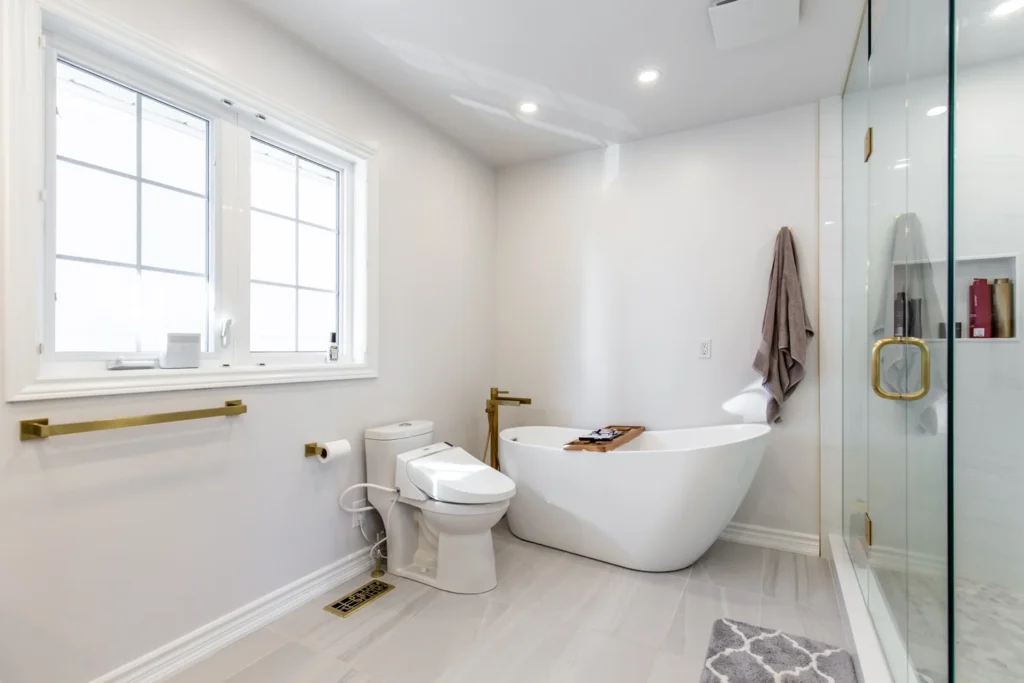
Home plumbing involves more than just bringing clean water into your house. An equally important system works behind your walls to remove wastewater and keep your home safe and comfortable.
Most homeowners don’t think about their plumbing until something goes wrong. Understanding the basic systems in your home helps you recognize problems early and plan renovations more effectively.
Let’s break down the question “What is a DWV system?” so you know exactly what to expect!
Related: Granite vs Quartz Countertops: Which Is Right for Your Kitchen Renovation?
What is a DWV System? Understanding the DWV Plumbing System
A DWV plumbing system stands for Drain-Waste-Vent. This network of pipes handles everything that goes down your drains, from dishwater to toilet waste.
The system performs three distinct but connected jobs. It drains water from fixtures, carries waste away from your home, and maintains proper air pressure so everything flows smoothly.
Every sink, toilet, shower, and appliance in your home connects to this system. Without it, you couldn’t safely use any plumbing fixtures.
The Three Components of a Drain Waste Vent System
Drain pipes are the sloped pipes that carry water away from each fixture. When you pull the plug on your bathtub, gravity pulls that water through drain pipes toward your main sewer line.
Waste pipes transport everything from your drains to the municipal sewer system or septic tank. These larger pipes handle the combined output from all your home’s fixtures.
Vent pipes allow air into the system to prevent suction and maintain proper drainage. They typically run through your roof, which is why you see pipe openings on most houses.
How the DWV System Explained in Simple Terms
Think of your drain system like a straw. When you put your finger over the top of a straw and lift it from a drink, the liquid stays inside because of air pressure.
Remove your finger, and the liquid drains out. Your plumbing works the same way – vents act like removing your finger from the straw, allowing waste to flow freely.
The International Association of Plumbing and Mechanical Officials sets standards for these systems to ensure they work safely in all types of homes. Professional installations follow these codes to protect your household.
Why Every Home Needs a Functional DWV Pipe System
A properly working system prevents sewer gases from entering your home. These gases aren’t just unpleasant; they can be hazardous to your health.
The venting component specifically blocks these gases while allowing wastewater to drain. Each fixture has a trap (that curved pipe under your sink) that holds water and creates a barrier against odors.
When your DWV system fails, you’ll notice problems throughout your house. Multiple slow drains, gurgling sounds, or sewage smells indicate system-wide issues rather than isolated clogs.
What is a DWV System? How the DWV System Works
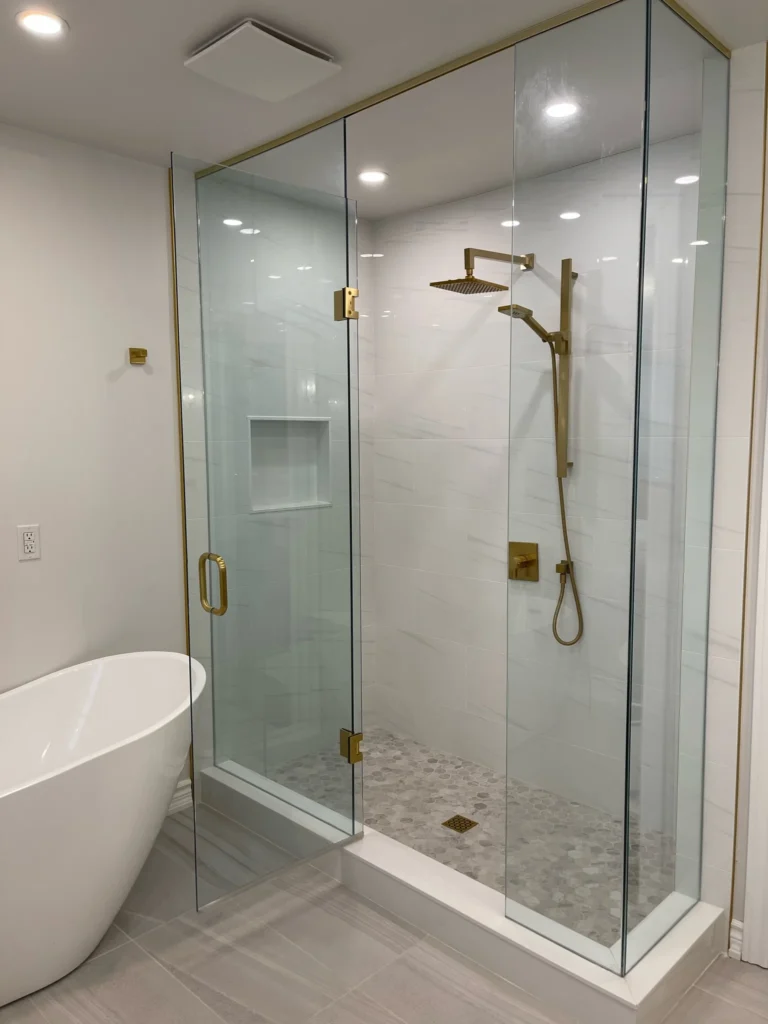
The magic of modern plumbing happens through careful engineering and physics. Your drain waste vent system operates continuously, handling dozens of drainage events each day without any moving parts.
Understanding this process helps you recognize when something isn’t working correctly. Each component plays a specific role in moving waste safely out of your home.
The Drainage Process
When you flush a toilet or empty a sink, gravity pulls the water down through the fixture’s drain pipe. These pipes slope at a precise angle — typically one-quarter inch per foot of horizontal run.
Too steep, and water rushes down leaving waste behind. Too flat, and water moves slowly, increasing clog risks. Professional plumbers calculate these slopes during installation.
Each fixture’s drain connects to larger branch pipes, which then connect to the main drain stack. This hierarchical system efficiently channels everything toward the sewer line.
Waste Removal and Transport
Your main drain stack is typically a 3 or 4-inch vertical pipe that runs from your basement up through your roof. All your home’s waste pipes eventually connect to this central column.
From there, waste flows into your home’s main sewer line, which slopes away from your foundation toward the municipal sewer connection or septic system. This underground pipe must maintain proper grade to prevent backups.
The system handles both solid waste and water, which is why toilet connections require larger pipes than sink drains. Everything mixes in the main stack before leaving your property.
Ventilation and Air Pressure Balance
As water rushes down your drains, it would create a vacuum if not for vent pipes. This vacuum could suck water out of your fixture traps, allowing sewer gases into your home.
Vent pipes connect to your drain system and extend through your roof. They bring fresh air into the plumbing DWV network, equalizing pressure and allowing smooth water flow.
Proper venting is one of the most commonly overlooked aspects of DIY plumbing. Professional installation ensures vents are correctly sized and positioned.
Some modern systems use air admittance valves instead of traditional roof vents in certain applications. These one-way valves let air in but prevent gases from escaping into your home.
Common Signs Your Plumbing DWV Needs Attention
Your plumbing system communicates when something’s wrong. Catching these warning signs early can prevent expensive damage and major disruptions to your household.
Small issues often indicate larger problems developing in your DWV system. Don’t ignore these symptoms, even if they seem minor at first.
Slow Drains Throughout the Home
One slow drain usually means a localized clog in that fixture’s pipe. When multiple drains run slowly simultaneously, you’re likely dealing with a main line issue.
Kitchen sinks often drain slowly because grease and food particles accumulate over time. Bathroom sinks collect hair and soap scum. But if your toilet, shower, and sinks all drain poorly, the problem sits deeper in the system.
Main stack blockages or vent problems can create slow drainage throughout your entire house. Tree roots infiltrating underground pipes are another common culprit in older homes.
Gurgling Sounds from Fixtures
That glug-glug-glug sound when water drains indicates air struggling to move through your pipes. It’s a classic sign of venting problems within the DWV pipe system.
You might hear gurgling in one fixture when using another. For example, your toilet might bubble when someone showers. This suggests the system can’t properly equalize pressure between fixtures.
These sounds can also indicate partial blockages. As water tries to flow past an obstruction, it creates turbulence and pulls air irregularly through the system.
Unpleasant Odors from Drains
Sewer smells in your home mean gases are escaping from the system. This often happens when trap seals dry out in infrequently used fixtures, allowing gases to rise through the drain.
Running water in unused sinks or showers refills the trap and restores the gas barrier. If odors persist even with regular use, you might have a cracked vent pipe or damaged trap.
Vent pipes that become blocked by bird nests, leaves, or ice can also cause odor problems. The system can’t breathe properly, which creates pressure imbalances that push gases through traps.
DWV System Considerations for Home Renovations
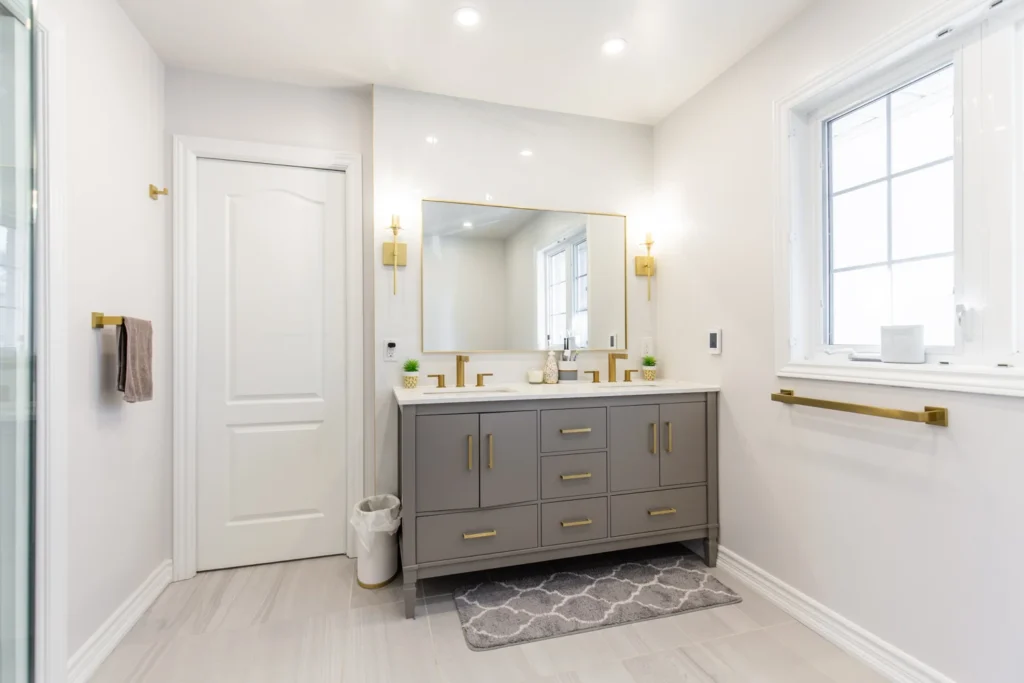
Bathroom and kitchen renovations almost always involve plumbing work. Understanding your drain waste vent system helps you plan realistic timelines and budgets for these projects.
Even seemingly simple changes can require significant plumbing modifications. What looks like a straightforward fixture replacement might involve rerouting pipes and adding new vents.
Moving Plumbing Fixtures and DWV Requirements
Relocating a sink, toilet, or shower means extending or rerouting your drain and vent pipes. Every fixture needs proper drainage and venting to function correctly.
Moving a toilet presents particular challenges because it requires a large drain line and specific venting. The new location must have adequate floor joist space for proper pipe slope.
Sinks offer more flexibility since their drain lines are smaller. However, you still need to maintain proper slope and ensure the new location has appropriate venting.
Adding New Bathrooms or Kitchens
Creating a new bathroom or kitchen means connecting entirely new fixtures to your existing what is DWV system. This work requires careful planning to ensure adequate capacity and proper code compliance.
Your main drain stack must be large enough to handle the additional load. In some cases, you might need to upsize pipes or add a secondary stack.
The new fixtures need proper venting, which might involve running new vent pipes through your roof or tying into existing vents. Every jurisdiction has specific code requirements for vent sizing and placement.
Basement bathrooms present unique challenges since they sit below the main sewer line. These installations often require sewage ejector pumps to lift waste up to the drain system.
Code Compliance and Inspection Requirements
All plumbing work must meet local building codes, which are based on provincial standards. These codes specify pipe sizes, materials, slopes, and venting requirements.
Major renovations require permits and inspections to verify the work meets code. Inspectors check rough plumbing before walls are closed up to ensure everything is properly installed.
Non-compliant plumbing can cause immediate problems like poor drainage or sewer gas leaks. It can also create issues when selling your home, as inspections will reveal unpermitted or substandard work.
Working with licensed plumbers ensures your renovation meets all code requirements. Professional contractors understand the complexities of the plumbing DWV system and can navigate the permit process efficiently.
Plan Your Hamilton Renovation With Birk Homes
Whether you’re adding a bathroom, upgrading your kitchen, or tackling a full home renovation, proper plumbing is essential to your project’s success. The DWV system might be hidden behind your walls, but it’s critical to your home’s functionality and safety.
At Birk Homes, we handle all aspects of residential renovations in Hamilton and surrounding areas. Our team works with experienced, licensed plumbers who understand the complexities of what a DWV system is installation and modification.
We’ll help you plan renovations that work within your home’s existing infrastructure or upgrade systems that no longer meet your family’s needs. Our goal is creating value through thoughtful, practical solutions. Ready to discuss your renovation project? Request a quote to connect with our Hamilton renovation team and start planning your home improvement.