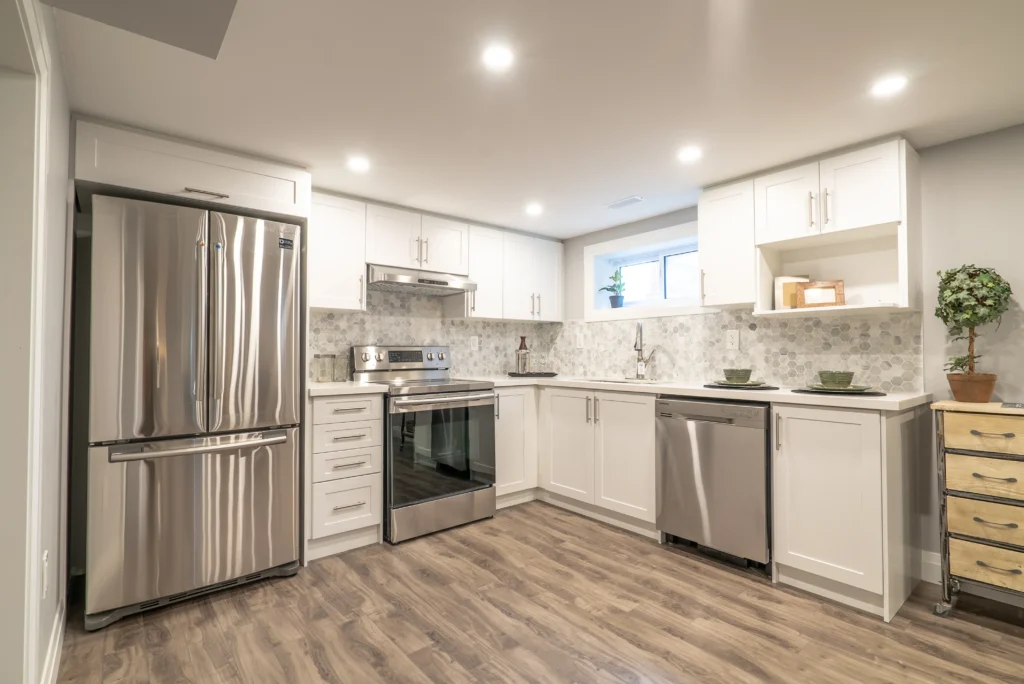
Planning a kitchen renovation means making dozens of decisions about layout, appliances, and functionality. One design principle has guided kitchen planning for decades and continues to influence modern renovations today.
The kitchen triangle rule helps homeowners create efficient, comfortable cooking spaces by strategically positioning the three most-used areas in any kitchen. Understanding this concept can transform your renovation from a beautiful space into one that truly works for your daily life.
Related: Acrylic vs Fiberglass Bathtub: How to Choose the Best Option for Your Home
What Is the Kitchen Triangle Rule?
The kitchen triangle rule is a design guideline that arranges your sink, stove, and refrigerator in a triangular pattern. This layout minimizes the steps needed to move between these essential work zones during meal preparation.
The principle emerged from mid-century efficiency studies. Researchers found that positioning these three elements in a triangle reduced wasted motion and created more enjoyable cooking experiences.
The Three Key Work Zones
Your sink serves as the cleaning and prep zone where you wash vegetables, rinse dishes, and fill pots with water. This area typically sees the most activity during cooking.
The stove or cooktop functions as your cooking zone. You’ll move hot pans here from the prep area and need quick access to the sink for adding water or draining pasta.
Your refrigerator acts as the storage zone, holding ingredients you’ll transport to the sink for washing and prep. Easy access between the fridge and other zones keeps your workflow smooth.
How the Kitchen Triangle Supports Kitchen Workflow Design
The triangle creates natural pathways between tasks. When you’re making dinner, you might grab ingredients from the fridge, wash them at the sink, and then cook them on the stove.
A well-planned kitchen workflow design means you’re never backtracking or taking unnecessary steps. The kitchen triangle rule positions these zones so you can pivot naturally from one task to the next.
This layout also helps multiple people work in the kitchen without constantly bumping into each other. Each point of the triangle becomes its own workspace.
Standard Kitchen Triangle Measurements
Getting the proportions right makes the difference between a kitchen that flows naturally and one that feels awkward. Professional designers use specific guidelines to create functional triangles.
These measurements aren’t arbitrary rules. They’re based on ergonomic studies of comfortable reaching, walking, and working distances.
Ideal Distance Between Each Point
Each leg of your triangle should measure between 4 and 9 feet. This range allows you to reach each zone quickly without cramming everything together.
Distances shorter than 4 feet can make the space feel cramped. You won’t have enough counter space for prep work, and multiple cooks will constantly be in each other’s way.
Legs longer than 9 feet create too much walking. You’ll get tired moving between zones during complex meal preparation.
Maximum and Minimum Kitchen Triangle Distance Guidelines
The total perimeter of all three legs combined should fall between 13 and 26 feet. This kitchen triangle distance creates efficiency without sacrificing workspace.
A perimeter under 13 feet typically means your kitchen is too small for comfortable movement. You’ll struggle to fit necessary appliances and work surfaces.
Measurements exceeding 26 feet suggest your work zones are spread too far apart. Simple tasks like grabbing vegetables from the fridge and washing them at the sink become mini workouts.
How Kitchen Size Affects Triangle Proportions
Smaller kitchens naturally create tighter triangles. A galley kitchen might have a triangle closer to the 13-foot minimum, which can still work beautifully for one or two cooks.
Especially in open-concept homes, require careful planning to avoid spreading the triangle too thin. You might need to adjust appliance placement to maintain functional kitchen triangle measurements.
L-shaped and U-shaped kitchens often create the most natural triangles. The corner configuration naturally positions major appliances at separate points.
Common Examples of a Broken Kitchen Triangle
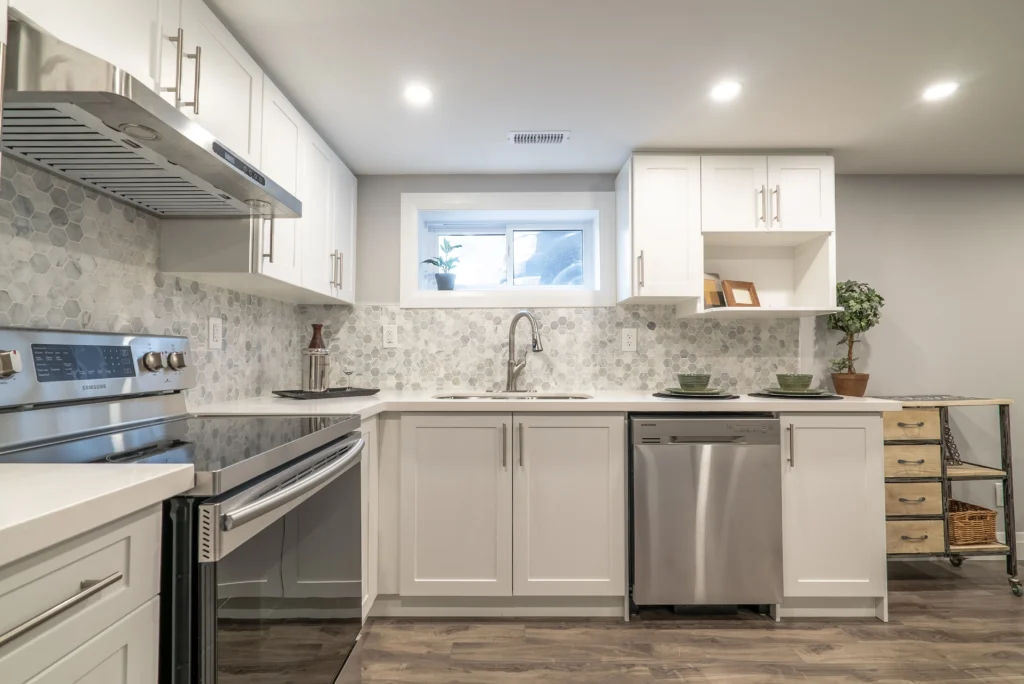
Even well-intentioned kitchen designs can end up with layouts that disrupt workflow. Recognizing these issues helps you avoid them in your renovation.
A broken kitchen triangle doesn’t always mean the kitchen is unusable. But it does create daily frustrations that compound over time.
Island Placement That Blocks Movement
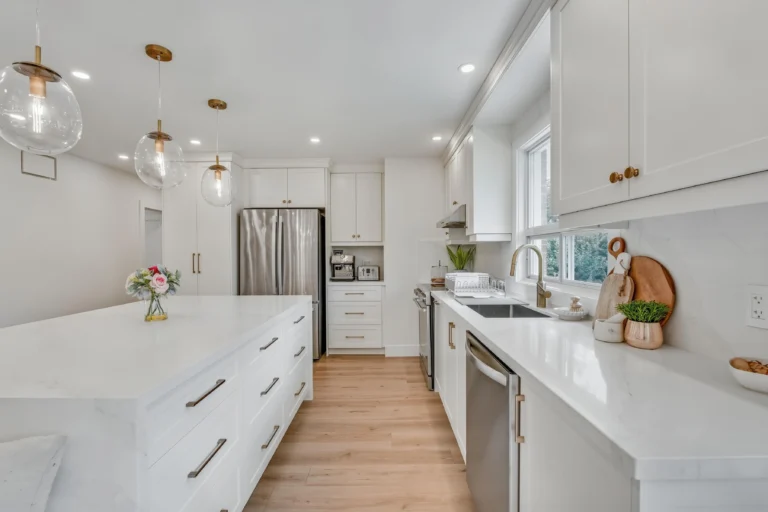
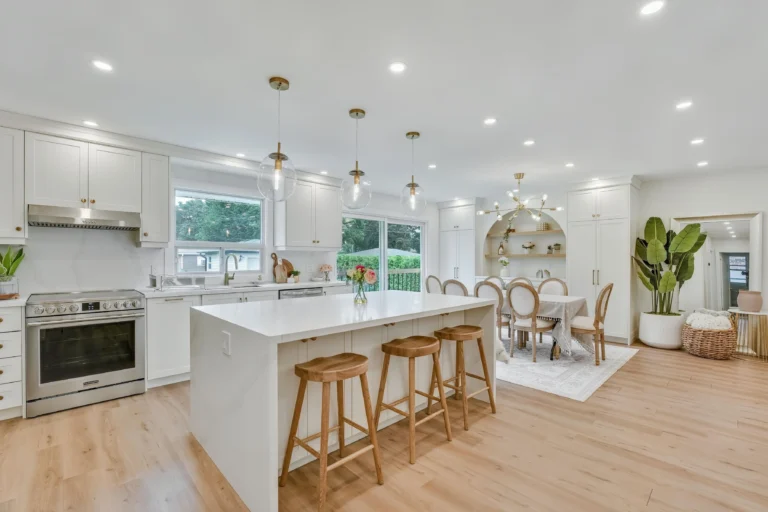
Kitchen islands add valuable workspace and storage. However, poorly positioned islands can slice right through your triangle, forcing you to walk around them constantly.
An island should complement your triangle, not interrupt it. Ideally, it sits outside the main traffic pattern between your work zones.
Some homeowners place their cooktop or sink in the island, which can work if planned carefully. The island then becomes part of the triangle rather than an obstacle.
Appliances Positioned Too Far Apart
Open-concept designs sometimes spread appliances across different areas to create visual balance. This aesthetic choice can sacrifice functionality.
When your refrigerator sits 15 feet from your sink, every trip for ingredients becomes a trek. You’ll notice the extra steps during holiday cooking or dinner parties.
Corner placements for refrigerators can also create broken kitchen triangle issues. If the fridge door swings into the triangle path, it blocks movement when open.
Traffic Flow Issues That Disrupt the Triangle
Kitchens that serve as hallways to other rooms face constant interruptions. Family members walking through the triangle to reach the backyard or dining room create collision risks.
Doorways positioned within the triangle force you to dodge foot traffic while carrying hot pans or sharp knives. This isn’t just inefficient; it’s potentially dangerous.
Breakfast bars or peninsula counters that jut into the triangle can also disrupt flow. While they provide seating, they narrow the walking paths between work zones.
The Modern Kitchen Triangle and Today’s Designs
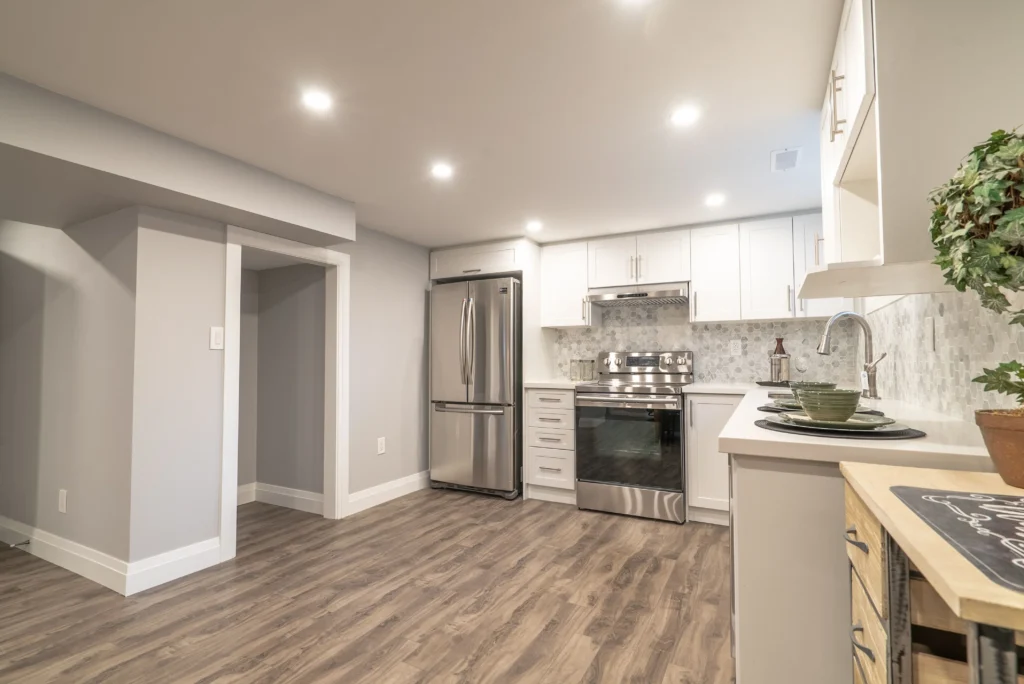
Kitchen design has evolved dramatically since the 1940s. Today’s homes feature different cooking patterns, larger spaces, and new appliances that weren’t part of the original triangle concept.
The modern kitchen triangle adapts these core efficiency principles to contemporary lifestyles. You can honor the spirit of the rule while customizing it for how you actually live and cook.
Open-Concept Layouts and Triangle Adaptations
Open kitchens blur the line between cooking and living spaces. Your kitchen might flow directly into your dining and family rooms without walls to define boundaries.
These layouts often create larger triangles with more distance between points. You might need to compensate by adding prep sinks or secondary cooking surfaces.
The good news is that open concepts provide flexibility. You can position your triangle to face the living area, making cooking a more social activity.
Multi-Cook Kitchens and Work Zones
Modern families often have multiple people cooking simultaneously. The traditional single triangle doesn’t account for two cooks preparing different dishes at the same time.
Many designers now create dual work zones instead of one triangle. Each cook gets their own mini triangle, or you might arrange appliances to support parallel workflows.
Adding a second sink or prep area gives each person their own washing station. Dual ovens or a cooktop plus wall oven provide separate cooking zones.
When to Break the Traditional Triangle Rule
Some kitchen configurations simply don’t support a traditional triangle. Galley kitchens might work better with a straight workflow along parallel counters.
Single-wall kitchens in small apartments or condos place everything along one wall. These designs prioritize space efficiency over the triangle principle.
If you rarely cook elaborate meals, strict adherence to triangle measurements might not matter. A breakfast-and-sandwiches household has different needs than one that hosts regular dinner parties.
Work With Birk Homes for Your Hamilton Kitchen Renovation
Creating a functional kitchen layout requires balancing design principles with your family’s unique needs. The kitchen triangle rule provides a proven starting point, but every home deserves a customized approach.
At Birk Homes, we specialize in kitchen renovations in Hamilton that blend efficiency with your lifestyle. Our team takes time to understand how you cook, who uses the kitchen, and what frustrates you about your current space.
We’ll help you determine whether a traditional triangle, a modern adaptation, or a completely different workflow design serves you best. Our focus stays on creating value through thoughtful, family-centered solutions. Ready to transform your kitchen into a space that works as beautifully as it looks? Request a quote today to schedule your consultation with our Hamilton renovation experts.