Selecting the right flooring for your home is one of the most important renovation decisions you’ll make.
The floors you choose affect everything from your daily comfort to your home’s resale value. When it comes to popular options, the debate between engineered hardwood vs LVP often tops the list!
Related: What Is a Wet Room Bathroom? Design Ideas and Benefits Explained
What Is Engineered Hardwood Flooring?
Construction and Layer Composition
Engineered hardwood consists of multiple layers of wood pressed together for stability. The top layer is genuine hardwood — usually between 2mm to 6mm thick — while the lower layers are made of plywood or high-density fiberboard. This construction method creates a product that’s more stable than solid hardwood while maintaining the authentic look and feel of real wood.
The layered structure allows engineered hardwood to resist moisture and temperature changes better than solid wood. Each layer is stacked with the grain running in different directions, which minimizes expansion and contraction.
Available Styles and Finishes
Engineered hardwood comes in virtually every wood species you can imagine, from classic oak and maple to exotic woods like Brazilian cherry. You’ll find options in various widths, from traditional narrow planks to trendy wide-plank styles. Finishes range from smooth and glossy to hand-scraped and distressed, giving you plenty of design flexibility.
Pre-finished engineered hardwood arrives ready to install, with factory-applied finishes that are often more durable than site-applied options. Unfinished versions allow for custom staining to match your exact vision.
Lifespan and Durability Expectations
Quality engineered hardwood can last 20 to 40 years or more with proper care. The thicker the top hardwood layer, the longer your floor will last. Floors with 4mm or thicker wear layers can be sanded and refinished one to three times, extending their lifespan significantly.
Engineered hardwood handles foot traffic well and develops a natural patina over time. While it can scratch or dent, these imperfections often add character rather than detract from the floor’s appearance.
What Is LVP (Luxury Vinyl Plank) Flooring?
Material Composition and Manufacturing
LVP is a fully synthetic flooring made from multiple layers of vinyl and other materials. The bottom layer provides stability, middle layers add cushioning and sound absorption, a photographic layer creates the wood-look design, and a clear wear layer on top protects against damage. This multi-layer construction makes LVP remarkably durable and water-resistant.
Modern manufacturing techniques have dramatically improved LVP quality over the years. Today’s luxury vinyl plank products bear little resemblance to the vinyl flooring of previous decades.
Design Options and Realistic Wood Look
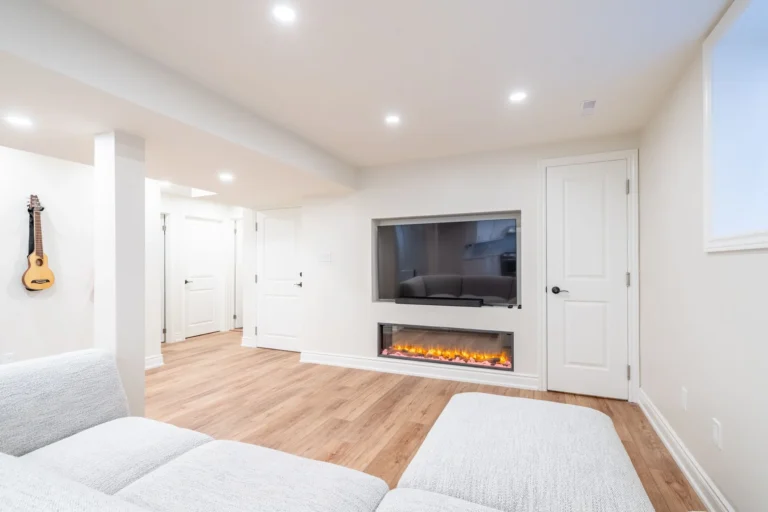
LVP technology has advanced to the point where it can closely mimic real wood. High-definition printing creates realistic wood grain patterns, and embossing adds texture that matches the visual grain. You’ll find LVP in styles ranging from rustic barn wood to sleek contemporary finishes.
Color options are nearly limitless, and you can find specialty products with unique patterns or mixed-width planks. Some premium LVP lines are difficult to distinguish from real wood without close inspection.
Expected Longevity
Quality LVP typically lasts 10 to 20 years, though some premium products come with warranties up to 25 years. The wear layer thickness directly impacts longevity—residential LVP usually has wear layers between 12 and 20 mils, with thicker layers offering better durability.
Unlike wood products, LVP won’t fade significantly over time and maintains its appearance throughout its lifespan. However, once the wear layer is damaged, the plank must be replaced rather than refinished.
Engineered Hardwood vs Luxury Vinyl Plank: Direct Comparison
Appearance and Aesthetic Quality
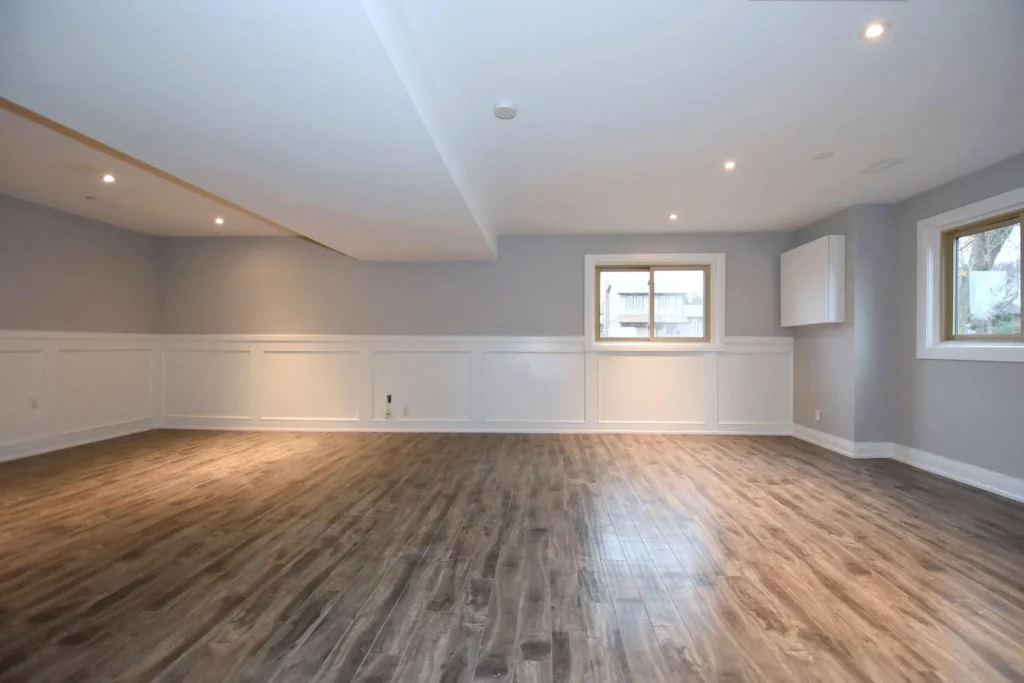
This is where engineered hardwood vs LVP differences become most apparent. Engineered hardwood is real wood, with all the natural variation, warmth, and character that brings. Each plank is unique, with genuine grain patterns and color variations that can’t be perfectly replicated.
LVP has made impressive strides in appearance, but it’s still a printed image of wood. While high-quality LVP looks convincing from a distance, close inspection reveals pattern repetition. The feel underfoot is also different — LVP has a slightly softer, more plastic-like feel compared to the solid, natural feel of wood.
For resale value, engineered hardwood typically adds more appeal to potential buyers who prioritize authentic materials.
Installation Process and Requirements
Both engineered hardwood and LVP can be installed as floating floors, glued down, or (in some cases) nailed down. Many LVP products feature click-lock systems that make installation straightforward, even for DIY enthusiasts. Engineered hardwood also comes in click-lock versions, though some products require more traditional installation methods.
Subfloor preparation is crucial for both flooring material comparison options. LVP is more forgiving of minor subfloor imperfections, while engineered hardwood requires a flatter, more stable surface. LVP can be installed over most existing floors, including concrete, tile, and vinyl, as long as they’re level and sound.
Installation time is similar for both products when using click-lock systems. Professional installation ensures proper acclimation, expansion gaps, and long-term performance.
Maintenance and Cleaning Needs
Engineered hardwood requires regular sweeping or vacuuming to remove dirt and debris that can scratch the finish. Damp mopping with wood floor cleaner works well, but you should avoid excessive water. Spills need prompt cleanup to prevent water damage, and periodic refinishing may be needed depending on the wear layer thickness.
LVP is remarkably low-maintenance. Regular sweeping and damp mopping keep it looking great, and it can handle more water than engineered hardwood without concern. Most stains wipe away easily, and the durable wear layer resists scratches better than many wood finishes.
Neither product requires waxing or special treatments, making them both practical choices for busy families.
LVP Flooring Pros and Cons
Top Advantages of Luxury Vinyl Plank
Water resistance is LVP’s standout feature. It can handle spills, humidity, and even minor flooding without warping or swelling. This makes it perfect for kitchens, bathrooms, basements, and homes with pets or young children. The waterproof nature of engineered hardwood vs LVP clearly favors vinyl in moisture-prone areas.
Durability is another major selling point. The wear layer protects against scratches, dents, and stains better than most flooring options. Families with active lifestyles appreciate how well LVP stands up to daily wear and tear.
Comfort underfoot is often overlooked but significant. LVP has a slight give that feels warmer and softer than tile or stone, and it’s quieter than hardwood when walking. Installation versatility means it works in spaces where wood might not, including below-grade basements.
Cost is typically lower than engineered hardwood for both materials and installation. This makes LVP an excellent choice when budget is a primary concern.
Limitations and Drawbacks
Despite its many advantages, LVP is still a synthetic product. It lacks the authentic warmth and character of real wood, which matters to homeowners who value natural materials. Close inspection reveals the pattern repetition inherent in manufactured flooring.
LVP cannot be refinished. Once the wear layer is damaged or scratched through, you’ll need to replace individual planks or sections. This contrasts with engineered hardwood, which can often be sanded and refinished to look new again.
Temperature sensitivity can be an issue in extreme conditions. LVP may expand or contract with significant temperature changes, and it can feel colder underfoot than wood in winter months. Some homeowners also have concerns about off-gassing from vinyl products, though modern LVP typically meets strict indoor air quality standards.
Resale perception can be a factor. While LVP has gained acceptance, some buyers still prefer homes with genuine wood flooring and may view LVP as a budget alternative rather than a premium choice.
Best Applications for Each Flooring Type
Rooms Where Engineered Hardwood Excels
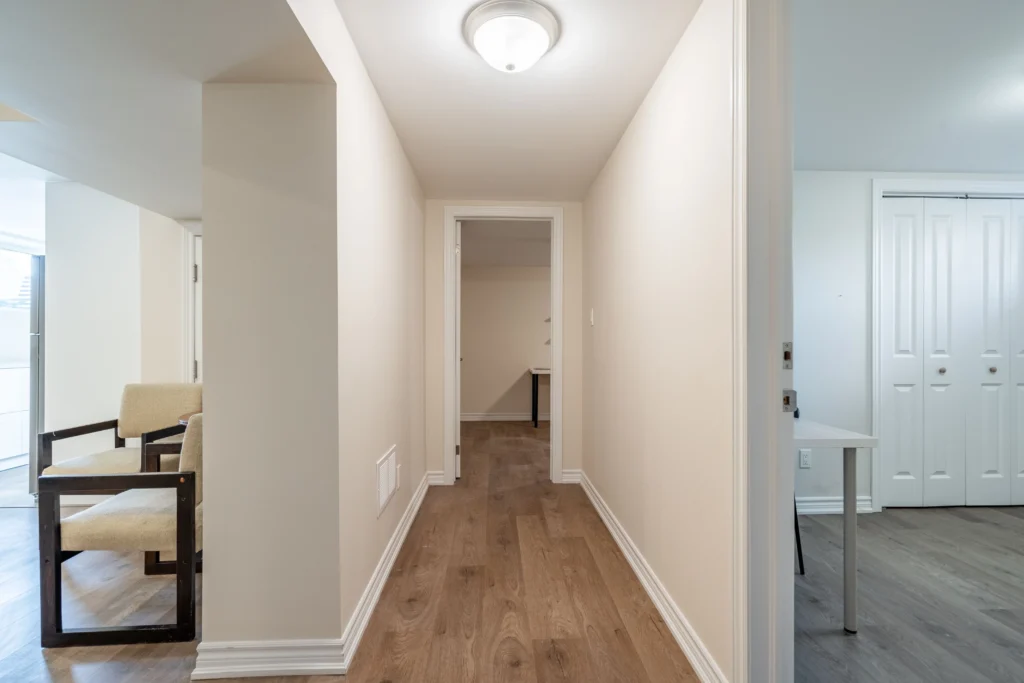
Living rooms, dining rooms, and bedrooms are ideal for engineered hardwood. These are spaces where you want to showcase natural beauty and create a warm, inviting atmosphere. The authentic wood appearance enhances the perceived value of these main living areas and provides a timeless look that appeals to most homeowners.
Home offices and studies benefit from the professional, sophisticated appearance of wood flooring. Upper-level hallways and master bedroom suites also work beautifully with engineered hardwood, where moisture exposure is minimal and you can enjoy the comfort of real wood underfoot.
Main floor spaces with moderate traffic accommodate engineered hardwood well, especially in entryways with proper rugs or mats to protect against dirt and moisture.
Spaces Perfect for LVP
Kitchens top the list for LVP installations. The water resistance makes cleanup easy and eliminates worries about spills or splashes. Bathrooms, laundry rooms, and mudrooms are also excellent candidates for luxury vinyl plank, where moisture is a regular concern.
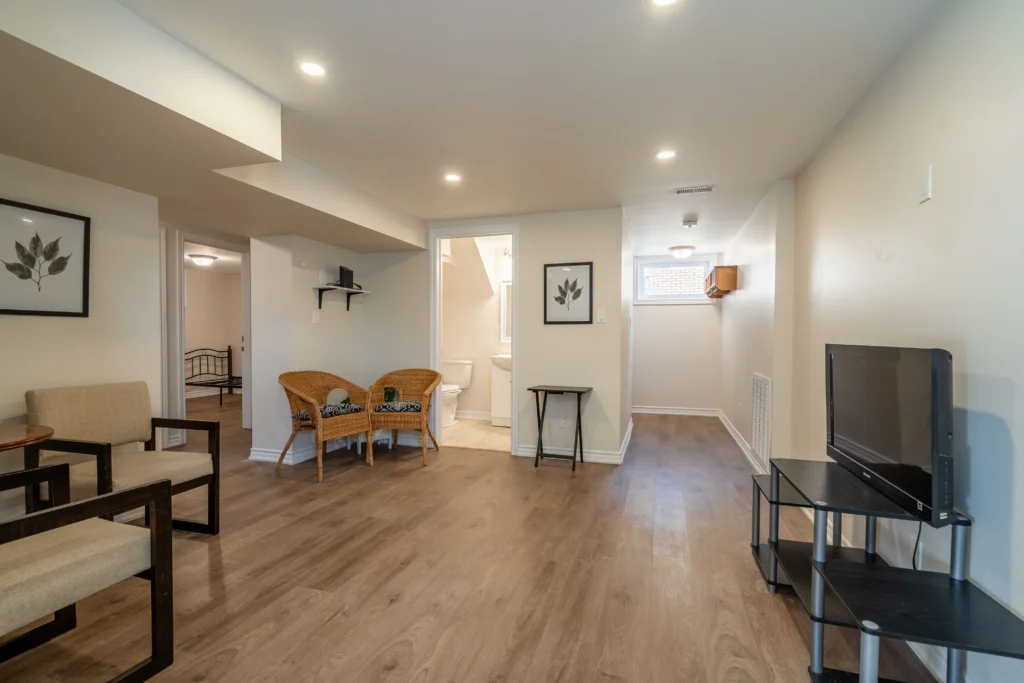
Basements, especially those prone to occasional dampness or below-grade installations, are perfect for LVP. Unlike wood products that can be damaged by concrete moisture, LVP handles these conditions without issue.
Rental properties often benefit from LVP’s durability and low maintenance requirements. The flooring stands up to tenant wear while still looking attractive, and replacement costs are reasonable if damage occurs.
Pet owners particularly appreciate how LVP resists scratches and accidents better than wood. High-traffic areas like family rooms and hallways also benefit from LVP’s exceptional durability.
Areas Where Either Option Works
Main floor living spaces with moderate traffic can accommodate either engineered hardwood vs LVP successfully. Your choice might depend more on budget, desired aesthetics, and how long you plan to stay in your home. Family rooms, dens, and guest bedrooms work well with both products.
Consider your lifestyle and priorities when making this choice. If you value authentic materials and plan to stay in your home long-term, engineered hardwood might be worth the investment. If you need durability, water resistance, and budget-friendly options, LVP delivers excellent value.
Many homeowners mix materials throughout their homes based on each room’s specific needs. You might choose engineered hardwood for your main floor living areas and LVP for your kitchen and basement, creating an appropriate flooring solution for each space’s unique requirements.
Transform Your Hamilton Home Flooring with Birk Homes
Choosing between engineered hardwood vs LVP doesn’t have to be overwhelming. At Birk Homes, we help Hamilton area families make smart renovation decisions that add value to their homes while fitting their lifestyle and budget.
Our team understands that every home and family is different. We’ll walk you through the flooring material comparison process, showing you samples and discussing how each option performs in real-world conditions. Whether you’re renovating a single room or transforming your entire home, we provide honest guidance focused on your long-term satisfaction. Ready to explore your flooring options? Request a quote today, and let’s discuss how we can bring your Hamilton full home renovation vision to life!