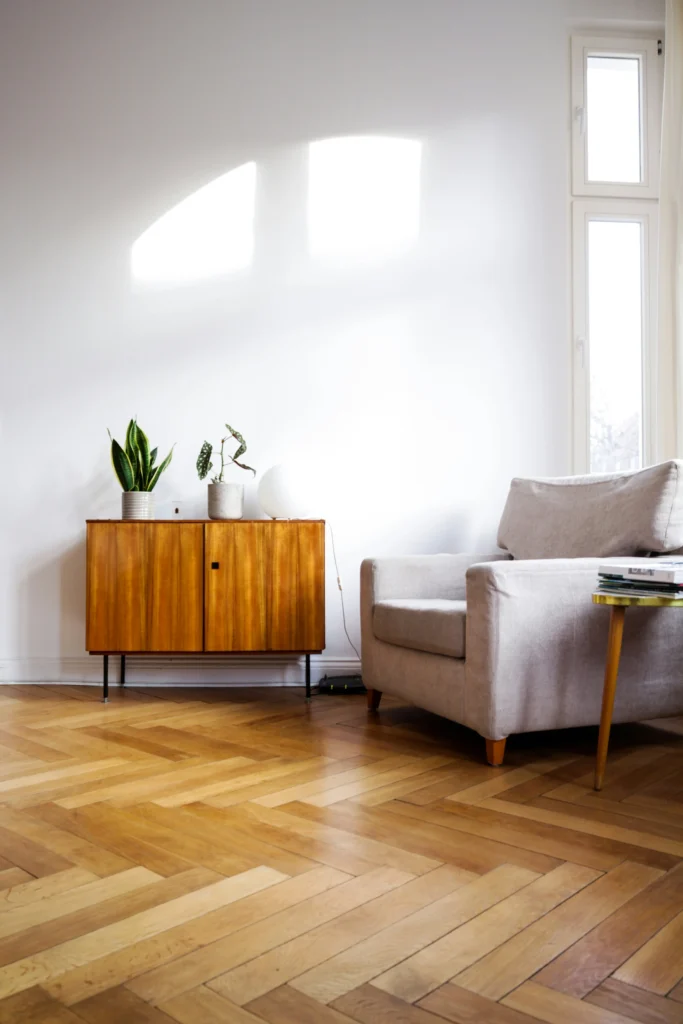
Your flooring choice impacts every aspect of your home — from daily comfort to long-term value. If you’re planning a renovation in Hamilton, you’ve probably found yourself comparing vinyl plank flooring vs. hardwood. Both options have devoted fans, and for good reason.
Each material offers distinct advantages that might make one perfect for your home and lifestyle. Let’s break down everything you need to know to make the right choice.
Related: Questions to Ask a Contractor Before Renovation
Understanding Traditional vs Modern Flooring Materials
What Is Vinyl Plank Flooring?
Vinyl plank flooring, often called LVP (luxury vinyl plank), is a modern flooring solution made from multiple layers of synthetic materials. The core is typically rigid or flexible vinyl, topped with a photographic layer that mimics wood or stone, and finished with a clear protective wear layer.
Today’s vinyl plank products look remarkably realistic and offer performance features that natural materials can’t match.
What Is Hardwood Flooring?
Hardwood flooring is made from solid pieces of natural wood, typically 3/4 inch thick. Popular species include oak, maple, cherry, and walnut. Each plank is milled from a single piece of timber, displaying the natural grain, color variations, and character marks that make wood floors timeless.
Hardwood has been a premium flooring choice for centuries and continues to be highly valued in homes across Hamilton and beyond.
Engineered Vinyl Plank vs Solid Hardwood
It’s important to note that engineered vinyl plank vs. solid hardwood isn’t quite the same as standard vinyl vs. hardwood. Engineered hardwood (a thin layer of real wood over plywood) offers a middle ground, while engineered vinyl plank typically refers to rigid core LVP with enhanced stability.
Solid hardwood is the traditional choice that can be refinished multiple times. Vinyl plank, whether standard or rigid core, offers easier installation and better moisture resistance but can’t be refinished.
Vinyl Flooring or Hardwood Durability: Which Lasts Longer?

Resistance to Scratches and Dents
When comparing vinyl plank flooring vs. hardwood for durability, both materials handle everyday wear differently. Hardwood can scratch from pet claws, furniture legs, and dropped objects, though harder species like oak resist better than softer woods like pine. The good news is that hardwood scratches add character, and the floor can be refinished to look brand new.
Proper maintenance helps hardwood floors last for decades despite normal wear. Vinyl plank flooring has a tough wear layer that resists scratches exceptionally well. It won’t dent from high heels or furniture legs the way hardwood can. However, once the wear layer is damaged, you can’t repair it — you’ll need to replace affected planks.
Water-Resistant Flooring Options
This is where vinyl plank flooring vs. hardwood shows the clearest difference. Vinyl plank is completely waterproof, making it ideal for kitchens, bathrooms, basements, and entryways. Spills won’t damage it, and many products can handle occasional flooding without warping.
Hardwood and water don’t mix well. Even small spills need to be wiped up quickly to prevent warping, cupping, or staining. Hardwood should never be installed in full bathrooms or basements where moisture is common.
Lifespan and Refinishing Potential
Solid hardwood floors can last 100 years or more with proper care. When they show wear, you can sand them down and refinish them multiple times — typically 3 to 10 times depending on the thickness. Each refinishing makes them look brand new.
Quality vinyl plank flooring lasts 15-25 years with good care, but it cannot be refinished. Once it’s worn or damaged, replacement is the only option. However, modern LVP products are so durable that many homeowners find this lifespan perfectly acceptable.
Cost Comparison: Installation and Long-Term Investment
Material and Installation Costs
The upfront cost difference between vinyl plank flooring vs. hardwood is significant. Vinyl plank typically costs $2-$8 per square foot for materials, with installation adding another $1-$5 per square foot. Many homeowners can install click-lock vinyl planks themselves, saving on labor.
Hardwood materials range from $5-$15 per square foot, with installation costs of $3-$10 per square foot. Installation requires professional skills, specialized tools, and more time, which increases the overall investment.
For a typical 1,000-square-foot area, vinyl plank might cost $3,000-$13,000 installed, while hardwood could run $8,000-$25,000.
Maintenance Expenses Over Time
Vinyl plank requires minimal ongoing costs — just regular sweeping and occasional mopping with appropriate cleaners. There’s no refinishing or sealing needed.
Hardwood needs periodic refinishing every 7-15 years depending on traffic, which costs $3-$8 per square foot. You’ll also want to use wood-specific cleaners and possibly area rugs in high-traffic zones to minimize wear.
Resale Value Impact
Hardwood flooring traditionally adds more to home resale value than vinyl plank. Hardwood floors are among the top features buyers want, and they can increase a home’s sale price.
However, high-quality vinyl plank in appropriate rooms (like kitchens or basements) won’t hurt resale value and might actually appeal to buyers who appreciate low-maintenance options. The key is choosing the right material for each space.
Style and Design Flexibility
Aesthetic Differences
When examining vinyl plank flooring vs. hardwood purely from a design perspective, hardwood offers authentic natural beauty. The grain patterns, color variations, and subtle imperfections create warmth and character that many homeowners love. As hardwood ages, it develops a patina that adds to its charm.
Modern vinyl plank technology has advanced tremendously. Today’s LVP products feature high-definition printing and embossed textures that closely mimic real wood. From a distance, many people can’t tell the difference. However, up close, hardwood’s authenticity is usually apparent.
Color and Pattern Options
Hardwood comes in numerous species, each with its own natural color and grain pattern. You can choose different stain colors during installation or refinishing, giving you some flexibility. However, you’re limited to what natural wood can provide.
Vinyl plank offers almost unlimited design options. You’ll find products that mimic any wood species, plus trendy colors like gray or white-washed looks that might be difficult or expensive to achieve with real wood. You can even find vinyl that looks like stone or tile.
Room-Specific Recommendations
LVP vs real hardwood flooring works differently in various spaces. Hardwood belongs in living rooms, dining rooms, bedrooms, and hallways where its beauty can shine and moisture isn’t a concern. It creates a cohesive, upscale look throughout main living areas.
Vinyl plank excels in kitchens, bathrooms, basements, mudrooms, and laundry rooms where water exposure is likely. It’s also great for homes with large dogs or active children who might be tough on floors.
LVP vs Real Hardwood Flooring: Which Fits Your Home?

Best Rooms for Vinyl Plank
Vinyl plank flooring vs. hardwood becomes an easy choice in moisture-prone areas. Kitchens benefit from vinyl’s waterproof properties and easy cleanup. Basements need vinyl since concrete subfloors and potential moisture make hardwood risky. Bathrooms, laundry rooms, and entryways also suit vinyl perfectly.
Rental properties or homes with pets often benefit from vinyl’s durability and scratch resistance throughout.
Best Rooms for Hardwood
Hardwood creates stunning living rooms, formal dining rooms, and bedrooms. These spaces showcase hardwood’s natural beauty while avoiding moisture exposure. Hallways and staircases also look elegant with hardwood, creating flow throughout your home’s main level.
Home offices and libraries feel more sophisticated with hardwood floors, especially when paired with area rugs.
Family and Lifestyle Factors
Think about your daily life when deciding between vinyl plank flooring vs. hardwood. Do you have young children who might spill drinks frequently? Large dogs with claws? A busy household where easy maintenance matters?
Vinyl plank might suit you better if convenience is a priority. If you value authentic materials, plan to stay in your home long-term, and can handle occasional refinishing, hardwood might be worth the investment.
Some families choose both—hardwood in living spaces for beauty and vinyl plank in kitchens and bathrooms for practicality.
Choose the Perfect Flooring with Birk Homes
Selecting between vinyl plank flooring vs. hardwood is an important decision that affects your home’s comfort, appearance, and value. At Birk Homes, we help Hamilton families navigate these choices every day during their renovation projects.
Our experience with both materials means we can show you real examples, explain the pros and cons for your specific spaces, and help you make decisions that fit your budget and lifestyle. Whether you’re renovating a single room or your entire home, we’ll guide you toward flooring that you’ll love for years to come.Ready to discuss your flooring options? Request a quote today to schedule a consultation. Call us and let’s talk about creating beautiful, functional floors that work for your family. We’re here to make your renovation journey smooth and successful.